

Best Skincare for Combination Skin: Clinical Guide 2026
Understanding Combination Skin
The best skincare for combination skin addresses two distinct needs simultaneously: hydrating dry areas while controlling excess oil in the T-zone. This skin type requires derm-recommended products that balance without overcompensating in either direction.
If you have an oily forehead, nose, and chin but dry cheeks, you have combination skin. This article covers how to build a care routine that treats each zone appropriately, which ingredients deliver results, and which clinically tested products work across both areas.
You'll learn which face wash types suit combination skin, how to layer serums without triggering breakouts, and why 2026 trends favor fewer, smarter products over complicated routines.
What Makes Combination Skin Different From Other Skin Types
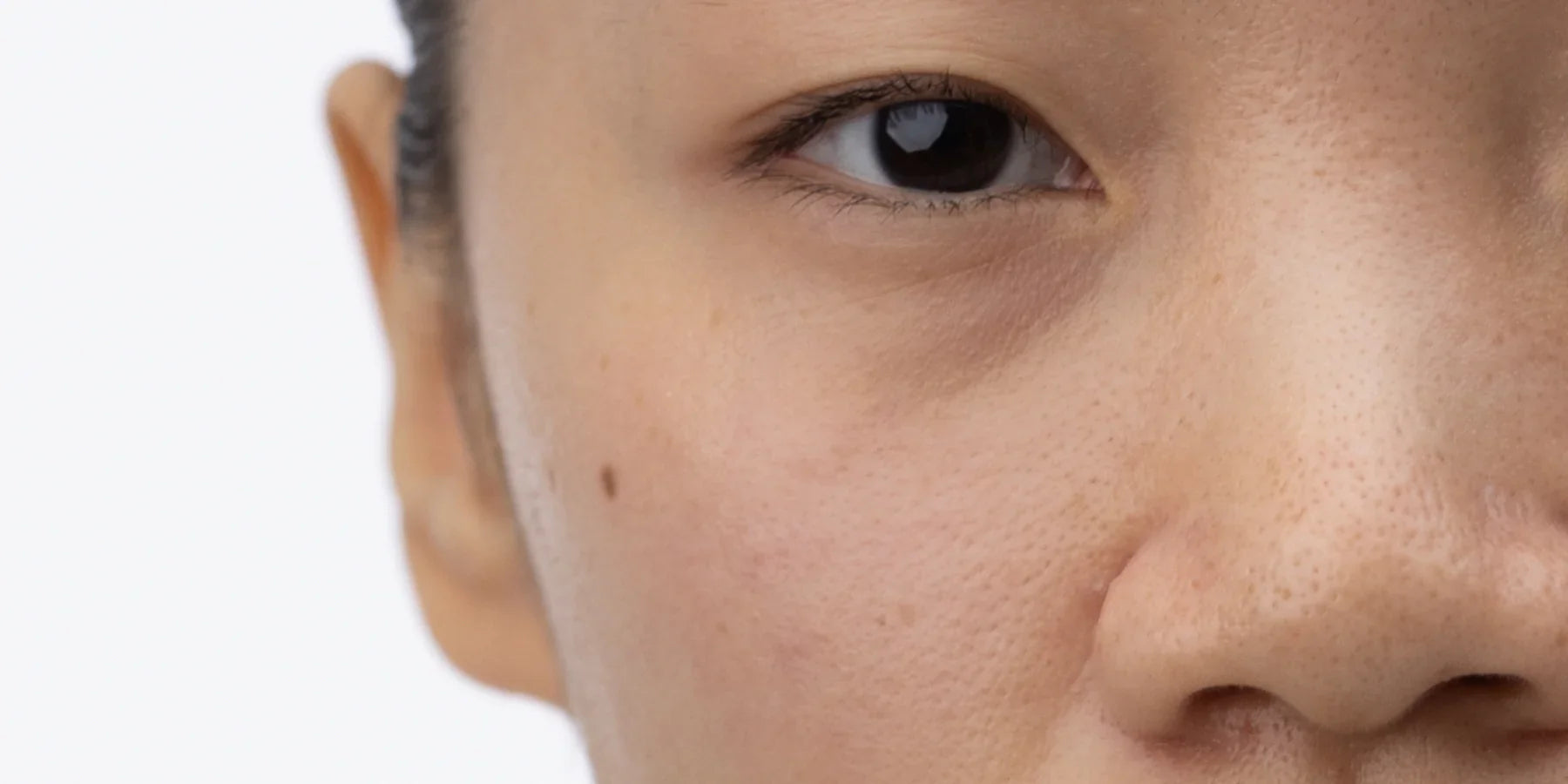
Combination skin produces excess sebum in the T-zone while the cheeks, jawline, and under-eye areas remain dry or normal. This happens because sebaceous glands are more concentrated in the central face.
You can't treat your entire face the same way. Using heavy moisturizers all over will clog oily areas. Using mattifying products everywhere will dehydrate dry zones. The most effective approach applies targeted care where each area needs it.
This skin type also shifts with seasons, stress, and hormones. Your T-zone may become oilier in summer or during high-stress periods, while dry areas may worsen in winter. A flexible routine adapts to these changes without requiring a complete product overhaul.
How Do You Build a Care Routine for Combination Skin
Start with a gentle, water-soluble cleanser that removes oil without stripping dry areas. Follow with a lightweight serum that hydrates, then apply moisturizer only where your skin needs it. Finish with SPF every morning.
Your routine should follow this order: cleanse, treat with serum, moisturize selectively, and protect. This structure allows you to address both oily and dry areas without layering unnecessary products.
Step One: Cleansing Without Disruption
Use a sulfate-free cleanser that dissolves oil and makeup without compromising your skin barrier. Harsh cleansers trigger rebound oil production in the T-zone and worsen dryness on the cheeks.
Dr. BRANDT® Pores No More Cleanser uses salicylic acid to clear congestion in oily areas while maintaining hydration in dry zones. It's formulated to replicate the gentle efficacy of in-office treatments at home.
Step Two: Targeted Treatment With Serums
Serums deliver concentrated actives where your skin needs them most. Apply hydrating serums, such as hyaluronic acid, to dry areas. Use niacinamide or salicylic acid serums on oily zones to control sebum and refine pores.
Layer treatments from thinnest to thickest consistency. If you're using multiple serums, apply the water-based formula first, then the oil-based or thicker serum second.
Step Three: Moisturize Selectively
Apply a lightweight, non-comedogenic moisturizer to dry areas. Skip or use a minimal amount on oily areas, or choose a gel-based formula that hydrates without adding weight.
Dr. BRANDT® Hydro Biotic Recovery Sleeping Mask works as a targeted overnight treatment for dry patches. Its probiotic-infused formula strengthens the skin barrier without triggering congestion in oily zones.
Step Four: Daily SPF Protection
Use a broad-spectrum SPF 30 or higher every morning. Choose a formula that doesn't leave a greasy finish or clog pores. Mineral sunscreens with zinc oxide work well for combination skin because they absorb excess oil while protecting.
Which Ingredients Work Best for Combination Skin
Look for formulas that balance hydration and oil control. Hyaluronic acid, niacinamide, and ceramides hydrate without adding oil. Salicylic acid and glycolic acid exfoliate and refine pores in oily areas.
Avoid heavy oils and butters on your entire face. Instead, use them only on dry areas. Avoid alcohol-heavy toners and astringents that strip your skin and trigger rebound oil production.
Hydrating Ingredients for Dry Areas
Hyaluronic acid draws moisture into the skin and holds up to 1,000 times its weight in water. Ceramides restore the lipid barrier and prevent moisture loss. Glycerin is a humectant that keeps dry areas supple without feeling greasy.
Oil-Control Ingredients for Oily Areas
Salicylic acid penetrates pores to dissolve sebum and dead skin cells. Niacinamide regulates sebum production and reduces the appearance of pores. Kaolin clay absorbs excess oil without over-drying.
Dr. BRANDT® Pores No More Pore Refiner Primer uses tea tree oil and salicylic acid to mattify oily areas while smoothing the skin's texture. It's clinically tested to reduce pore visibility for up to eight hours.
What Are the Best Product Types for Combination Skin
Choose gentle cleansers, lightweight serums, selective moisturizers, and non-greasy SPF. Avoid heavy creams, oil-based cleansers on your entire face, and products with fragrance or alcohol high on the ingredient list.
Face Wash Options
Gel cleansers remove oil without stripping. Foaming cleansers work if they're sulfate-free. Avoid cream cleansers unless your dry areas are severely compromised, and even then, use them only on those zones.
Serum and Treatment Formulas
Water-based serums with hyaluronic acid hydrate dry areas. Niacinamide serums balance oil production and improve barrier function across your entire face. Exfoliating serums with glycolic or lactic acid smooth texture and prevent congestion.
Dr. BRANDT® Hydro Biotc Mask can be used at night to restore and recover, bringing balance back to the skin.
Moisturizer Options
Gel moisturizers hydrate without weight. Lightweight lotions work for normal-to-dry areas. Skip moisturizer entirely on your T-zone if it's very oily, or use a mattifying primer instead.
How Do 2026 Skincare Trends Apply to Combination Skin
The barrier-first movement in 2026 emphasizes fewer, smarter products that strengthen your skin's natural defenses. This approach suits combination skin because it reduces the risk of overloading oily areas or under-treating dry areas.
Dermatologists now advise patients that more products do not equal better skin. Instead, they recommend multitasking formulas that address multiple concerns without redundancy. This advice aligns with Dr. BRANDT®'s philosophy of clinically tested, expert-developed formulas that replicate in-office results at home.
Hybrid Products Simplify Routines
Tinted sunscreens, multi-active serums, and multipurpose balms reduce the number of steps in your routine. These products suit combination skin because they deliver targeted benefits without requiring separate formulas for each zone.
Barrier Protection Is a Priority
Ceramides, niacinamide, and hyaluronic acid appear in nearly every 2026 trend report because they support barrier health without triggering breakouts. Combination skin benefits from barrier-focused care because it prevents moisture loss in dry areas and reduces irritation that can worsen oiliness.
Personalization Through Technology
Apps and at-home devices that analyze hydration, pH, and elasticity are gaining attention in 2026. These tools help you understand which areas of your face need more hydration or oil control, so you can adjust your routine accordingly.
What Should You Avoid With Combination Skin
Avoid treating your entire face the same way. Don't use heavy moisturizers on oily areas. Don't use harsh, drying products on dry areas. Don't skip SPF because you're worried about greasiness.
Avoid products with fragrance, denatured alcohol, or sulfates. These ingredients disrupt your skin barrier and trigger a rebound in oil production. Avoid over-exfoliating, which worsens both dryness and oiliness.
Common Mistakes
Using the same moisturizer everywhere is the most common mistake. Your T-zone doesn't need the same level of hydration as your cheeks. Apply products strategically, not uniformly.
Over-cleansing strips your skin and signals your sebaceous glands to produce more oil. Cleanse at most twice daily, and choose a gentle formula.
How Do You Adjust Your Routine by Season
Your skin's needs shift with temperature and humidity. In winter, dry areas may need richer moisturizers, while your T-zone still requires oil control. In summer, oily areas may need more frequent cleansing or mattifying products.
Monitor your skin weekly. If dry areas feel tight or flaky, add a hydrating serum or use a richer moisturizer on those zones. If your T-zone becomes greasier, increase exfoliation or use a clay mask once weekly.
Comparing Skincare Approaches for Combination Skin
|
Approach |
Best For |
Pros |
Cons |
|
Single routine for the entire face |
Mild combination skin with minimal oil/dry contrast |
Simple, fewer products |
May over-moisturize oily areas or under-hydrate dry areas |
|
Zone-specific products |
Moderate to severe combination skin |
Targets each area's needs precisely |
Requires more products and time |
|
Multitasking hybrid formulas |
Time-conscious individuals, minimalists |
Reduces steps, balances both zones |
May not address extreme dryness or oiliness |
|
Barrier-focused care |
Sensitive combination skin, barrier damage |
Strengthens skin, reduces reactivity |
Results take longer to appear |
What Products Does Dr. BRANDT® Recommend for Combination Skin
Dr. BRANDT® formulas are clinically tested to deliver in-office results at home. For combination skin, we recommend a targeted approach that addresses both oily and dry areas without compromising either.
Start with Pores No More Cleanser to remove oil and impurities without stripping. Follow with a hyaluronic acid serum on dry areas and Pores No More Pore Refiner on oily zones. Use Hydro Biotic Recovery Sleeping Mask as a targeted overnight treatment for dry patches.
Our formulas are cruelty-free and developed in collaboration with Miami's top dermatology experts. Every product is tested to work across all skin tones, types, and genders.
Why Dermatologist-Developed Formulas Matter
Dr. BRANDT® was founded by Dr. Fredric Brandt, a pioneer in integrative dermatology. Our formulas replicate clinical procedures like microdermabrasion and resurfacing in at-home formats. This heritage gives us a clinical edge that trend-driven brands can't match.
We've spent 30 years refining formulas that balance efficacy with gentleness. Our products deliver visible results without compromising your skin barrier or triggering irritation.
How Do You Know If Your Routine Is Working
Your skin should feel balanced. Oily areas should produce less sebum without feeling tight or stripped. Dry areas should feel hydrated without looking greasy or congested.
Visible improvements include smaller-looking pores, smoother texture, and fewer breakouts. Your skin should feel comfortable throughout the day without needing touch-ups or blotting papers.
If your skin feels tight after cleansing, your cleanser is too harsh. If your T-zone is shiny within an hour of applying moisturizer, you're using too much product in that area. Adjust your routine based on these signals.
Frequently Asked Questions
What is the best skincare routine for combination skin?
Cleanse with a gentle, sulfate-free face wash. Apply a hydrating serum to dry areas and an oil-control serum to your T-zone. Moisturize selectively, using lightweight formulas only where needed. Finish with SPF every morning.
Which skin care is best for combination skin?
Look for products that balance hydration and oil control. Dr. BRANDT® Pores No More Cleanser and Hydro Biotic Recovery Sleeping Mask are clinically tested for combination skin. Choose formulas with hyaluronic acid, niacinamide, and salicylic acid.
What brand is best for combination skin?
Dr. BRANDT® specializes in dermaceutical formulas that replicate in-office dermatological procedures at home. Our products are clinically tested, vegan, and cruelty-free. We've spent 30 years developing formulas that work across all skin types, including combination skin.
What should my skincare routine be while on Accutane?
Accutane makes skin extremely dry and sensitive. Use a gentle, non-foaming cleanser and a rich, fragrance-free moisturizer. Avoid exfoliating acids and retinoids. Apply SPF 50 daily, as Accutane increases sun sensitivity. Consult your dermatologist before adding new products.
Building a Routine That Works
Combination skin requires a flexible, zone-specific approach. Use gentle cleansers, targeted serums, and selective moisturizers. Focus on barrier health and adjust your routine as your skin's needs change with seasons and stress. Dr. BRANDT® offers clinically tested formulas that balance both oily and dry areas without compromising either. Our 30 years of expertise in integrative dermatology mean you're getting formulas that deliver in-office results at home. Explore our combination skin solutions and take the dermatologist home.

Leave a comment
This site is protected by hCaptcha and the hCaptcha Privacy Policy and Terms of Service apply.