
Best Sunscreen for Mature Skin: Derm-Approved SPF Guide
What makes a sunscreen effective for mature skin?
The best sunscreen for mature skin delivers broad-spectrum SPF 30 or higher while addressing the unique needs of older skin, including dryness, uneven skin tone, and a reduced skin barrier. A facial sunscreen designed for mature skin should combine UVA and UVB protection with moisturizing ingredients like ceramides, hyaluronic acid, and antioxidants that support skin health beyond sun defense, much like acne treatments for menopause address hormonal changes with targeted formulations.
This guide is for anyone seeking a face sunscreen that works with mature skin rather than against it. We'll explain what dermatologists recommend, how to choose between mineral and chemical formulas, and which menopausal skin products and ingredients deliver measurable results.
You'll learn how to evaluate sunscreen type based on your skin's current condition, what SPF level truly matters, and how to integrate sun protection into a skincare routine that supports skin longevity. We'll also address common questions about sensitive conditions like rosacea and lupus.
Why mature skin requires a different approach to sun protection
Mature skin produces less sebum and retains less moisture than younger skin. This means a lightweight gel sunscreen that works well on oily, 20-year-old skin will often leave older skin feeling tight and dehydrated. The best sunscreen for mature skin compensates for this physiological shift with creamier textures and humectants that help retain water in the skin barrier, much like an anti-aging vitamin C serum that delivers targeted hydration and protection.
UVA rays penetrate deeper than UVB and contribute directly to wrinkles, hyperpigmentation, and loss of elasticity. While SPF measures UVB protection, mature skin benefits most from formulas that specify broad-spectrum coverage or include PA++++ ratings. UVA damage accumulates even through windows, which is why dermatologists stress daily application regardless of weather or indoor time.
Fine lines become more visible when skin is dehydrated. A moisturizing sunscreen that contains glycerin, lipids, or niacinamide can replace your morning moisturizer, streamlining your routine while delivering hydration and protection in one step.
How to choose between mineral and chemical sunscreen formulas
Mineral sunscreens use zinc oxide or titanium dioxide to sit on the skin surface and reflect UV rays. Zinc oxide offers the broadest spectrum of protection, covering both UVA and UVB wavelengths. Titanium dioxide primarily blocks UVB. For mature skin that's sensitive or reactive, mineral formulas are less likely to trigger irritation or rosacea flare-ups.
Chemical sunscreens absorb UV radiation and convert it to heat. They typically feel lighter on the skin and blend invisibly, which many people prefer under makeup. However, some chemical filters degrade in sunlight or cause sensitivity in older skin. The upcoming approval of bemotrizinol in fall 2026 marks the first new US chemical filter in 25 years. This ingredient is photostable, broad-spectrum, and has been used safely in other countries for over two decades.
Tinted sunscreen options often use iron oxides to provide light coverage while blocking visible light, which can worsen hyperpigmentation. A tinted mineral sunscreen can even out skin tone, cover mild redness, and eliminate the white cast that some zinc oxide formulas leave on deeper skin tones.
What SPF level and reapplication schedule works for mature skin
SPF 30 blocks approximately 97% of UVB rays. SPF 50 blocks roughly 98%. The difference is small, but a higher SPF provides a buffer if you apply less than recommended.
The American Academy of Dermatology recommends broad-spectrum SPF 30 or higher applied every morning. Reapply every two hours during extended outdoor exposure or after sweating. For indoor days, one morning application is usually enough unless you're near windows for long periods.
Mature skin often shows sun damage on the neck, chest, and hands.
Key ingredients that support mature skin
-
Hyaluronic acid: Hydrates and plumps fine lines
-
Ceramides: Strengthen the skin barrier
-
Niacinamide: Improves tone and reduces inflammation
-
Glycerin, squalane, peptides: Support hydration and structure
Comparison: mineral vs. chemical vs. hybrid sunscreens
Mineral
-
Ingredients: Zinc oxide, titanium dioxide
-
Texture: Creamier, may leave a white cast
-
Best for: Sensitive skin, rosacea
-
Considerations: Broad coverage, can feel heavier
Chemical
-
Ingredients: Avobenzone, octinoxate, bemotrizinol
-
Texture: Lightweight, invisible
-
Best for: Under makeup, normal to oily skin
-
Considerations: May irritate; some filters degrade
Hybrid
-
Ingredients: A combination of both
-
Texture: Balanced, minimal cast
-
Best for: Dry mature skin
-
Considerations: Combines protection and aesthetics
How to integrate sunscreen into a routine
Apply sunscreen as the final step of your morning routine. If it’s moisturizing, you can skip a separate moisturizer. Wait about 60 seconds before applying makeup.
Don’t forget the neck and chest; these areas age quickly and need protection too.
What dermatologists recommend in 2026
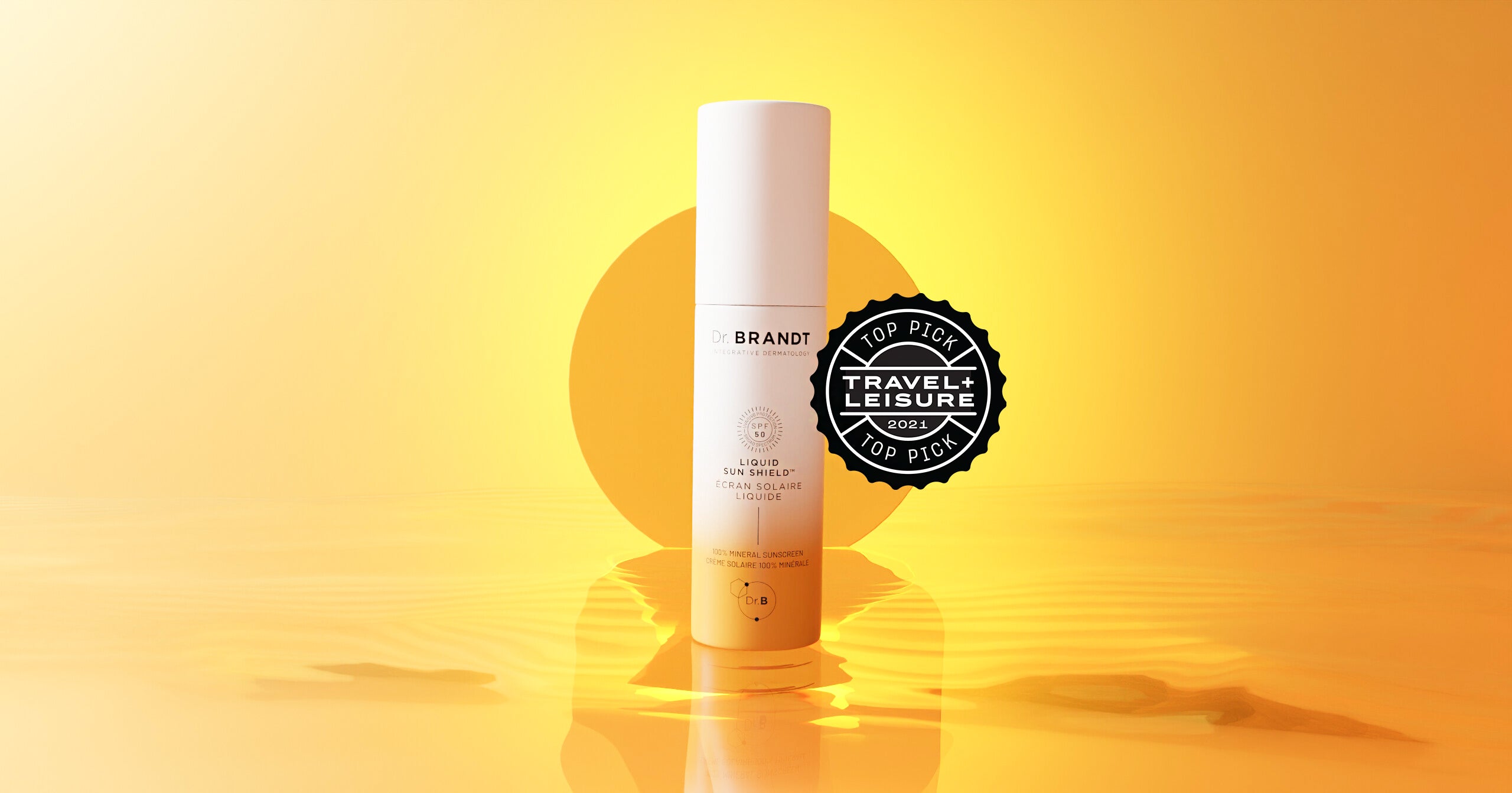
Dermatologists recommend broad-spectrum SPF 30+ with hydrating ingredients. Many modern formulas combine sun protection with anti-aging benefits, such as antioxidants and peptides, making Dr. Brandt’s Liquid Sun Shield SPF 50 an excellent choice.
Special considerations
Rosacea: Use mineral sunscreen, avoid fragrance and alcohol
Lupus: Use SPF 50+, reapply frequently, wear protective clothing
Sensitive skin: Choose simple, fragrance-free formulas and patch test
Common mistakes
-
Using too little product
-
Skipping sunscreen on cloudy days
-
Using expired sunscreen
Drugstore vs. premium sunscreens
Drugstore options meet basic SPF standards but may lack texture and added skincare benefits. Premium sunscreens often include advanced ingredients and feel better on the skin, which improves consistency of use.
What to expect from daily use
Sunscreen won’t reverse damage, but will prevent further aging. Over time, you may notice a more even skin tone and slower development of fine lines.
FAQs
Best sunscreen for rosacea?
Mineral sunscreen with zinc oxide, fragrance-free.
Best for lupus?
Broad-spectrum SPF 50+, mineral preferred, frequent reapplication.
Dermatologist routine?
Cleanser, moisturizer, SPF 30+, plus actives like retinoids or antioxidants.
Conclusion
The best sunscreen for mature skin combines SPF 30+ with hydrating, barrier-supporting ingredients. The right formula depends on your skin type and preferences, but daily use is what truly makes the difference.



Leave a comment
This site is protected by hCaptcha and the hCaptcha Privacy Policy and Terms of Service apply.