
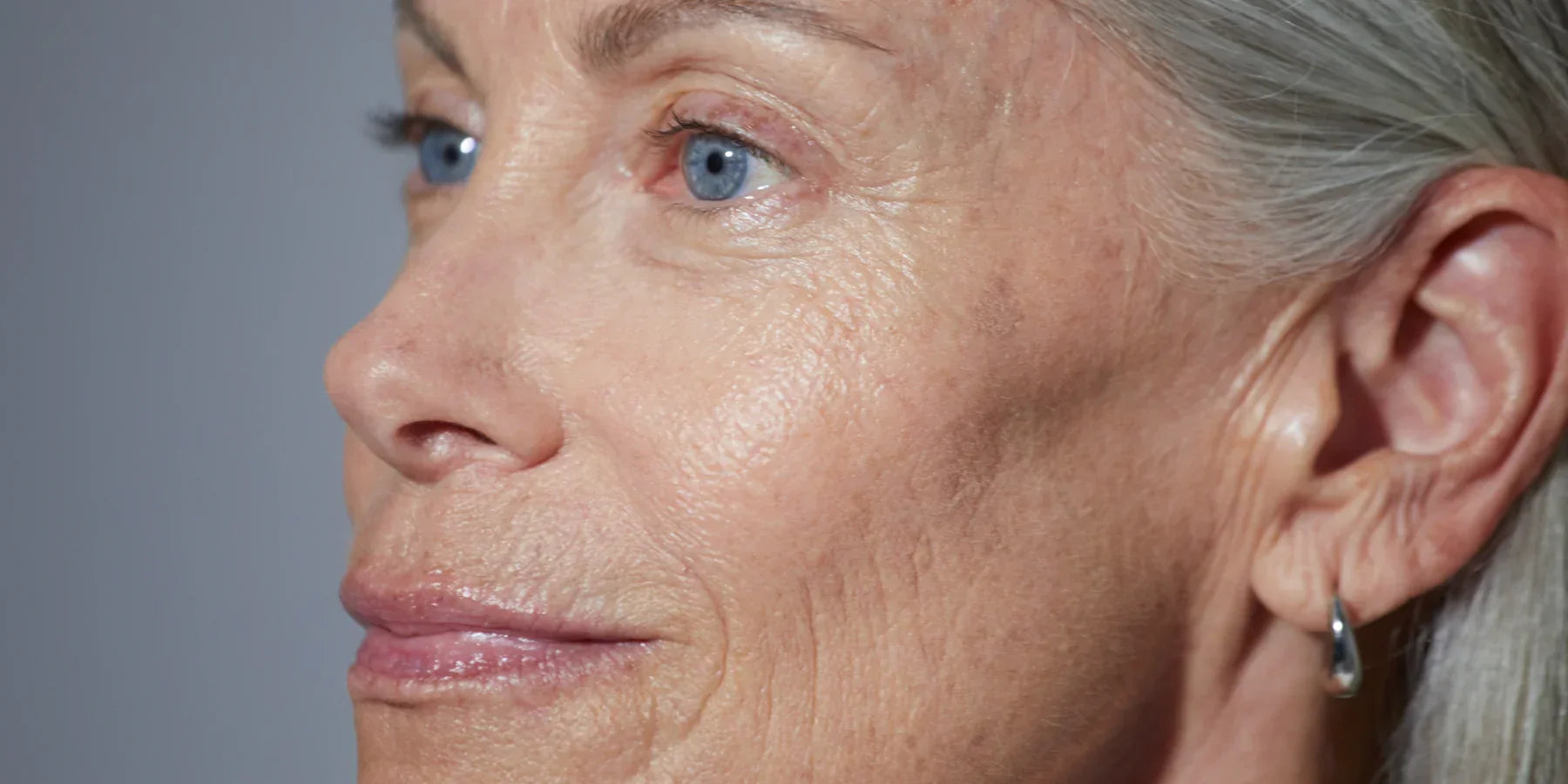
Retinol Serum for Fine Lines and Wrinkles: Expert Guide
Retinol Serum for Fine Lines and Wrinkles
A beginner-friendly retinol serum helps reduce fine lines and wrinkles by increasing collagen production and accelerating cell turnover. This process strengthens the skin’s structure and smooths visible signs of aging.
This guide explains how retinol works, how to choose the right serum, and how to use it effectively for visible results.
How Retinol Reduces Fine Lines and Wrinkles
Retinol converts into retinoic acid in the skin, which:
-
Stimulates collagen production
-
Increases cell turnover
-
Thickens the dermis (deeper skin layer)
-
Smooths the epidermis (surface layer)
It also:
-
Exfoliates dead skin cells
-
Protects existing collagen from breakdown
-
Improves hydration by increasing moisture-binding molecules
Clinical studies show visible improvements in texture and fine lines within about 12 weeks of consistent use.
Which Retinol Serum Works Best?
The most effective retinol serums:
-
Contain 0.25%–1% retinol
-
Include supportive ingredients like:
-
Peptides
-
Ceramides
-
Hyaluronic acid
-
Squalane
Key factors:
-
Stabilization technology (prevents breakdown)
-
Delivery system (ensures absorption)
-
Packaging (airless pumps preserve potency)
Retinol Strength by Skin Type
Sensitive / Beginner
-
0.25%–0.3%
-
Build tolerance over 4–6 weeks
Normal to Oily
-
0.5%–1%
Mature Skin
-
Often benefits from higher strengths
Note: A well-formulated lower strength can outperform a poorly formulated higher one.
Does Retinol Really Work?
Yes—retinol is one of the most clinically proven skincare ingredients.
Evidence shows:
-
Increased collagen density
-
Reduced wrinkle depth
-
Improved skin smoothness
Timeline:
-
4–6 weeks: smoother texture
-
12 weeks: visible wrinkle reduction
-
3–6 months: greater structural improvement
Consistency is key. Results build over time.
How to Use Retinol Serum
-
Apply at night only
-
Use on clean, dry skin
-
Start 2–3 times per week, then increase
-
Use a pea-sized amount
-
Follow with moisturizer
Important:
-
Wait ~20 minutes after washing before applying
-
Always use SPF during the day
Combining Retinol with Other Ingredients
Safe pairings:
-
Hyaluronic acid
-
Niacinamide
-
Moisturizers
Avoid (initially):
-
AHAs / BHAs
-
Strong exfoliants
-
Other retinoids
Use vitamin C in the morning, retinol at night.
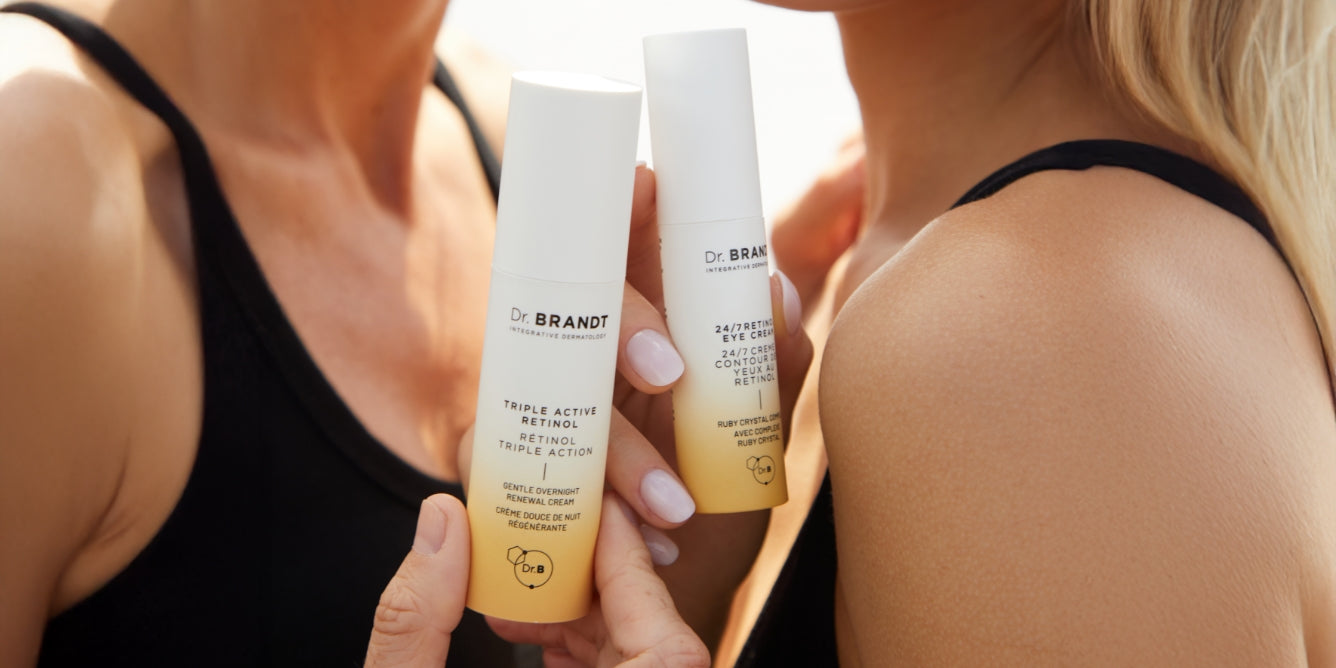
Retinol for the Eye Area
-
Use lower concentrations (0.01%–0.1%)
-
Apply around the orbital bone
-
Avoid direct contact with the eyes
Look for formulas designed specifically for delicate skin.
Retinol Serum vs Night Cream
Serum
-
Deeper penetration
-
Better for oily or combination skin
Night cream
-
More hydrating
-
Better for dry or mature skin
You can layer:
-
Serum first → then moisturizer
Alternatives to Retinol
Popular gentler options:
-
Bakuchiol – similar benefits, less irritation
-
Peptides – support collagen
-
Adenosine – smooths wrinkles
-
Fermented ingredients – improve absorption
Advanced Retinol Technology (2026 Trends)
-
Encapsulated retinol (controlled release)
-
Stabilized formulas (longer shelf life)
-
Combination products (retinol + peptides, ceramides)
Focus is shifting toward:
-
Prevention
-
Skin barrier support
-
Long-term skin health
Building a Complete Anti-Aging Routine
Night
-
Cleanser
-
Retinol serum
-
Moisturizer
Morning
-
Cleanser
-
Vitamin C
-
Moisturizer
-
SPF
Optional:
-
Add exfoliation 1–2x/week (not the same night as retinol)
FAQs
Which retinol is best for wrinkles?
0.5%–1% stabilized retinol with supportive ingredients.
Does retinol really reduce wrinkles?
Yes, clinically proven with consistent use.
What do Koreans use instead?
Bakuchiol, peptides, adenosine, fermented ingredients.
Does Alastin use retinol?
No, it focuses on peptide-based alternatives.
Conclusion
Retinol remains the gold standard for reducing fine lines and wrinkles. By boosting collagen and accelerating cell turnover, it delivers both short-term smoothing and long-term structural improvements.
The key to success:
-
Choose the right strength
-
Use it consistently
-
Support your skin barrier
-
Protect with SPF daily


Leave a comment
This site is protected by hCaptcha and the hCaptcha Privacy Policy and Terms of Service apply.