Understanding Hormonal Acne During Menopause
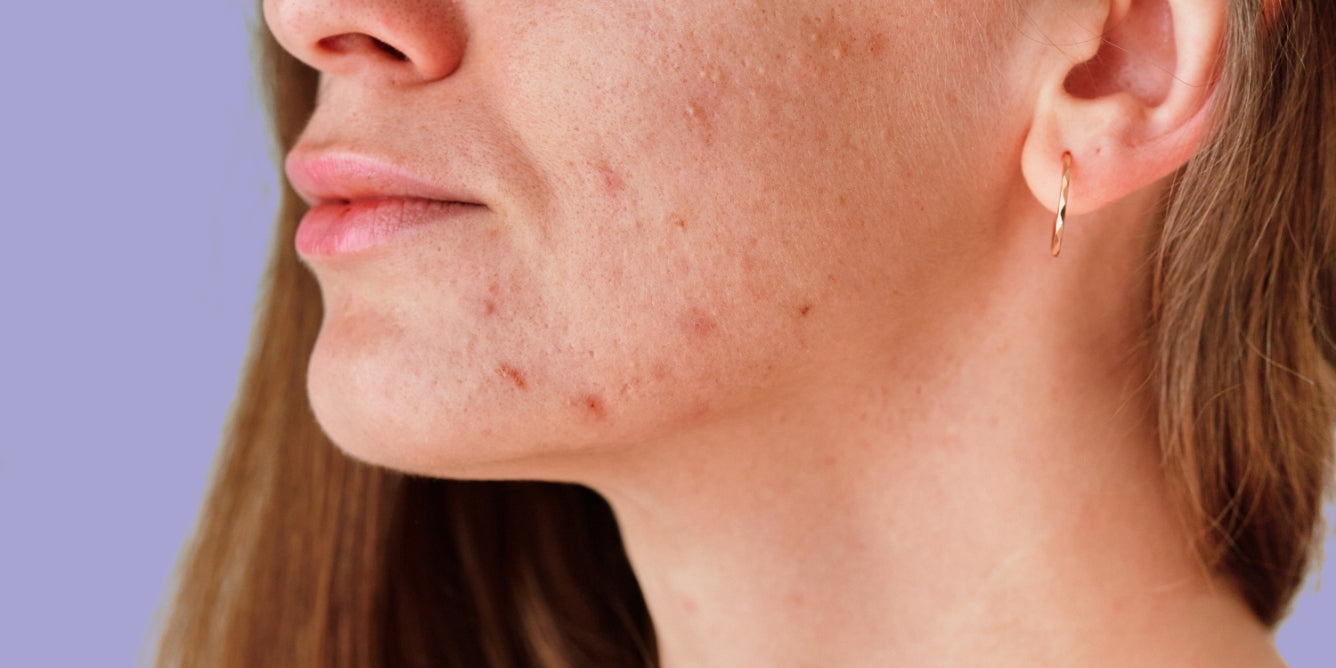
Fluctuating hormone levels during menopause create an environment where androgens dominate, triggering oil production and inflammation. This hormonal imbalance leads to adult acne that appears along the jawline, chin, and lower cheeks. Unlike adolescent acne, menopausal breakouts often present as deep cysts rather than surface whiteheads. The condition affects roughly 25% of women during perimenopause and menopause, regardless of whether you experienced acne in your youth. A menopause face serum can help address these hormonal breakouts with targeted treatment.
Why Late-Onset Acne Differs From Teen Breakouts
Your skin at 45 or 53 behaves differently than it did at 15. Declining estrogen levels remove the protective effects that once balanced sebum production, while testosterone remains relatively stable. This shift creates an androgenic environment that stimulates oil glands. Simultaneously, cell turnover slows, and skin becomes drier overall, creating a paradox in which you experience both dehydration and breakouts. Effective menopause skincare and treatment of hormonal acne in mature skin requires formulas that address inflammation without stripping moisture.
Clinical Ingredients That Target Hormonal Breakouts
Effective acne treatment during menopause centers on ingredients with clinical backing. Azelaic acid reduces inflammation and bacteria while gently exfoliating without irritation. Salicylic acid penetrates oil-filled pores to clear congestion. Niacinamide regulates sebum production and strengthens the skin barrier. Our formulas combine these actives at clinically tested concentrations, avoiding the harsh drying agents that worsen mature skin conditions. When caring for mature skin, each ingredient serves a specific function in the treatment protocol.
Why Retinoids Remain Your First Choice
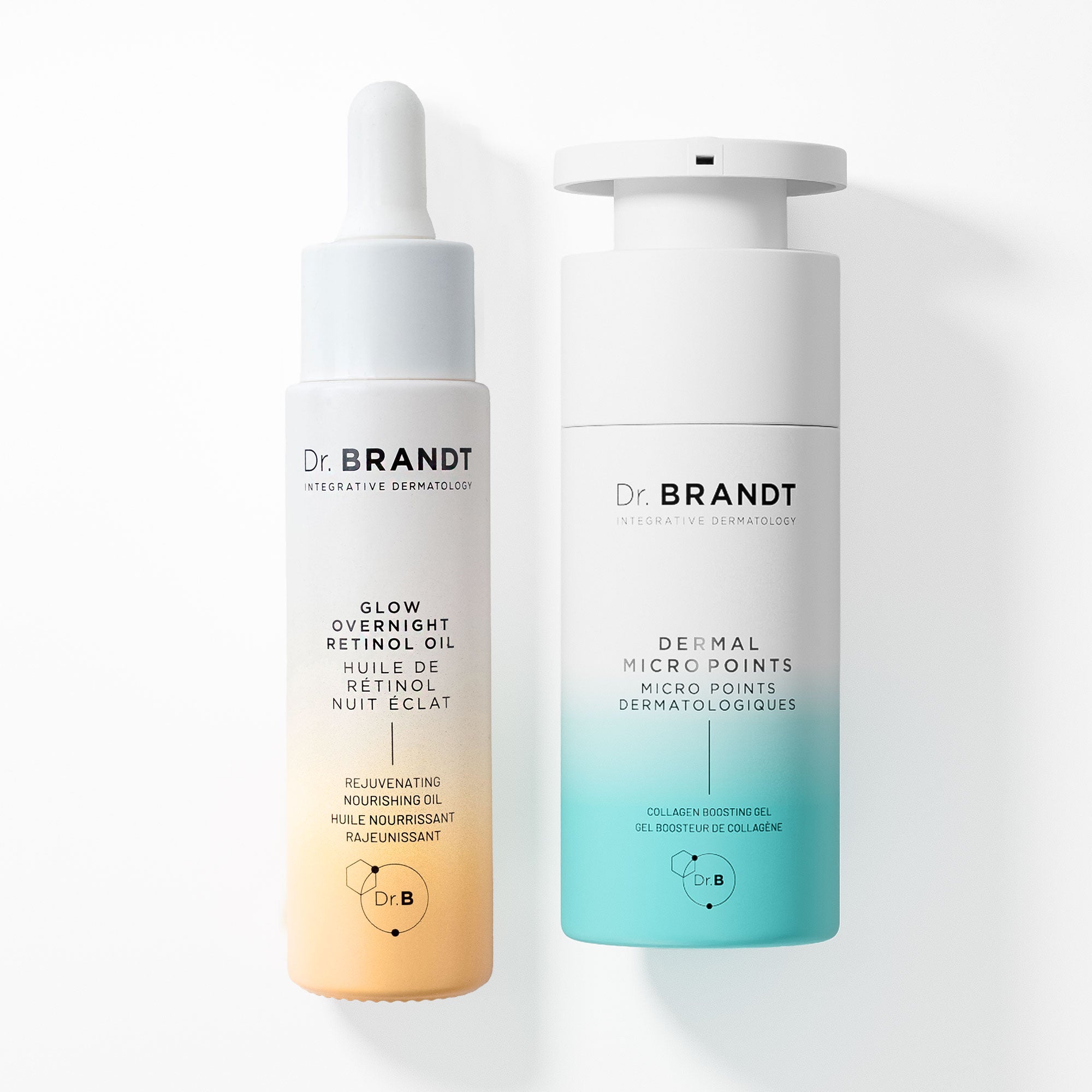
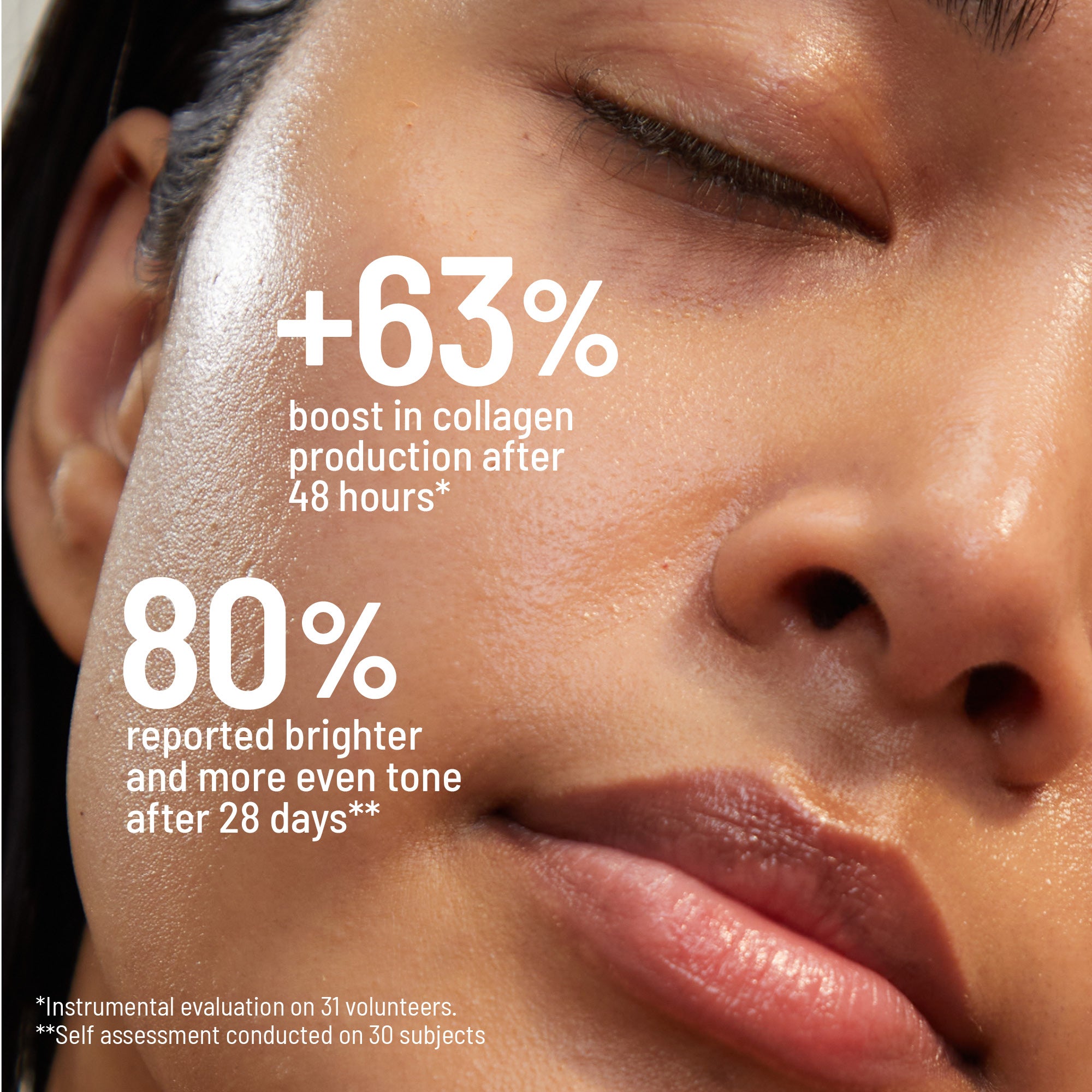
Retinoids address both acne and skin longevity by accelerating cell turnover and preventing pore blockages. They also stimulate collagen production, addressing fine lines that appear alongside hormonal acne. Our retinoid serum delivers prescription-strength results without a clinic visit. Start with a twice-weekly application and build tolerance gradually. Pair with a barrier-supporting moisturizer and neck cream to prevent flaking and keep delicate areas nourished, which discourages consistent use. Retinoids require three months of consistent use before you see full results.
Building Your Proper Skincare Routine
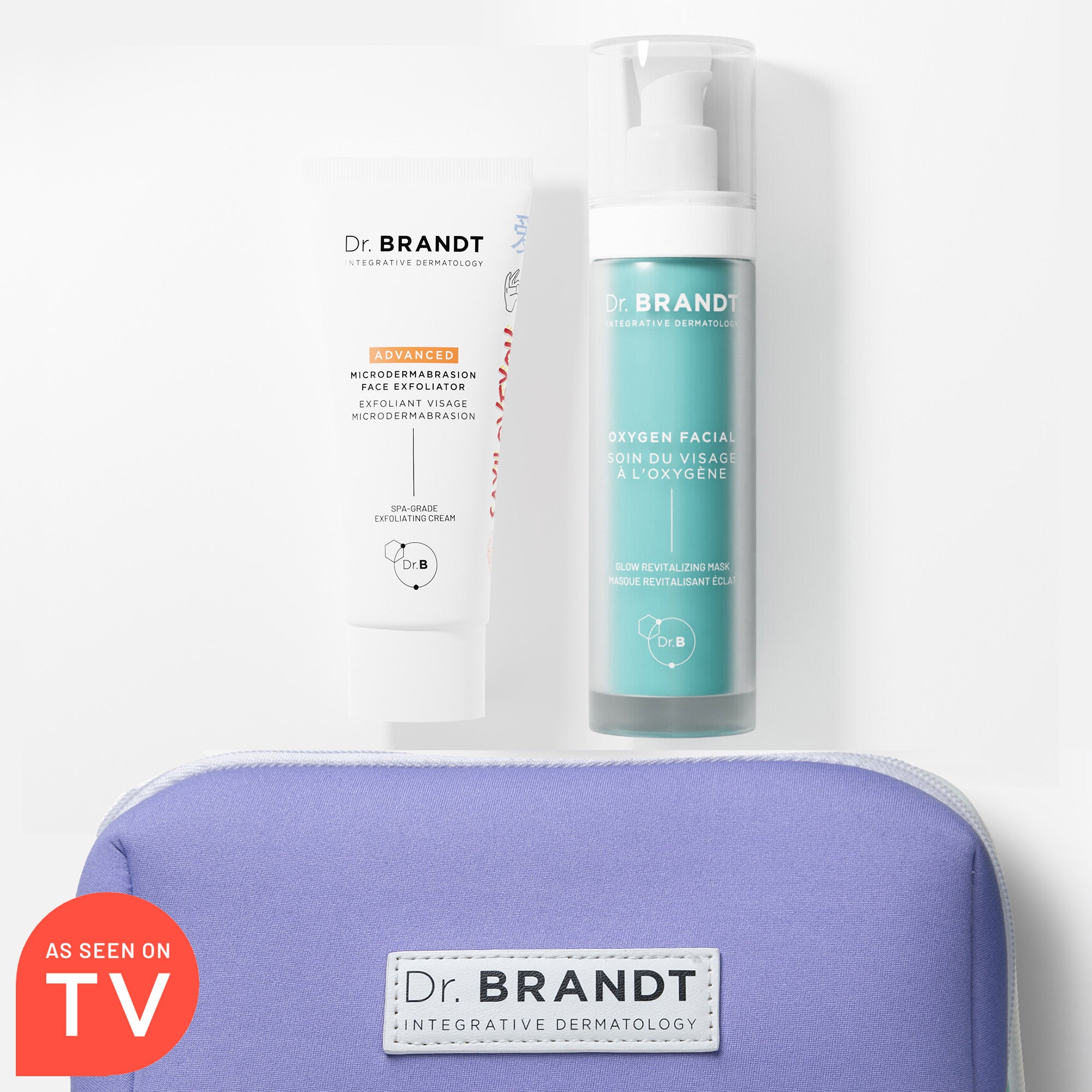
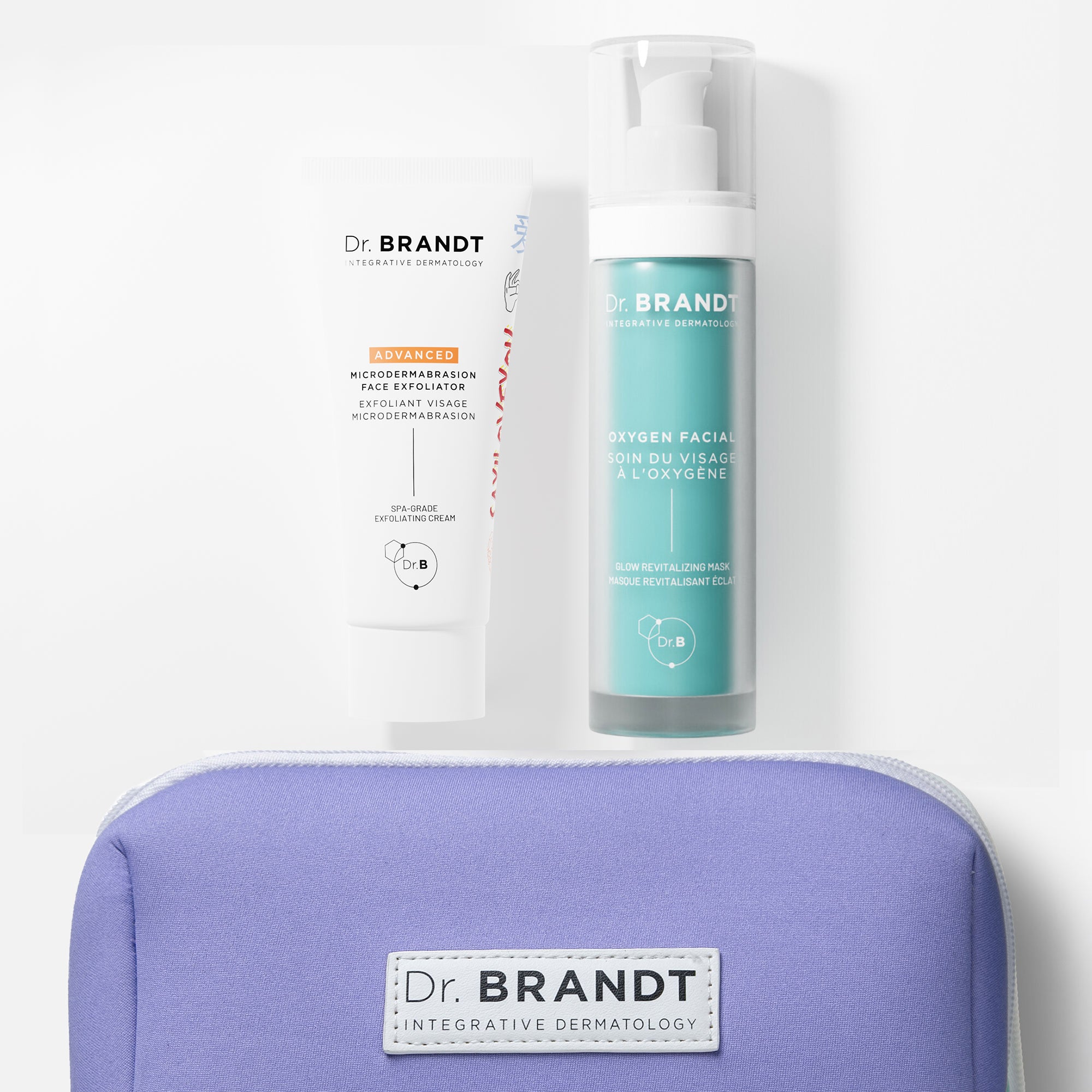
A targeted routine addresses breakouts without compromising your skin barrier. Cleanse once daily with a gentle, pH-balanced formula. Apply treatment actives to damp skin for better penetration. Layer a lightweight, non-comedogenic moisturizer even over oily zones. Use mineral SPF 30 or higher every morning, as many acne ingredients increase photosensitivity. For sensitive skin, consider incorporating microdermabrasion as an occasional exfoliating step. This four-step protocol takes under five minutes but delivers measurable improvement within six to eight weeks when followed consistently.
When to Layer Multiple Actives
Combining ingredients requires strategic timing. Use salicylic acid in the morning to clear pores throughout the day. Apply retinoids at night when skin enters repair mode. Alternate azelaic acid on nights you skip retinoids to avoid over-exfoliation. For deeper exfoliation beyond chemical treatments, consider microdermabrasion at home as an effective additional option. Never layer multiple exfoliants in a single application. If you notice persistent redness or sensitivity, reduce frequency rather than eliminating actives entirely. Your skin adapts over four to six weeks of consistent, measured use.
Medical Options Beyond Topical Therapy
When skincare alone doesn't control breakouts, oral medications offer additional support. Spironolactone is an anti-androgen that blocks testosterone's effects on oil glands, reducing sebum production within three to six months. Many dermatologists consider it the gold standard for hormonal acne in women. Hormone replacement therapy and skincare for menopause can restore estrogen levels, indirectly improving skin by rebalancing the estrogen-to-androgen ratio. Isotretinoin remains an option for severe, cystic cases that don't respond to other interventions.
Discussing Hormonal Treatments With Your Provider
Bring specific concerns to your appointment. Document when breakouts occur in your cycle if you're perimenopausal. Note which topical treatments you've tried and for how long, including cream dark circles solutions. Ask about spironolactone if you're not considering hormone replacement therapy for other symptoms. Request referrals to both a dermatologist and an endocrinologist if your hormonal imbalance affects multiple systems. A coordinated approach between specialists often yields better outcomes than isolated treatment of individual symptoms.
Lifestyle Changes That Support Clear Skin
Your daily habits influence how your skin responds to hormonal shifts. Prioritize seven to eight hours of sleep to regulate cortisol, which exacerbates inflammation. Manage stress through consistent practices rather than sporadic interventions. Limit refined sugars and dairy, which some patients find trigger breakouts. Stay hydrated to support your skin's natural barrier function. These modifications don't replace medical treatment but create conditions where therapy works more effectively.
What to Expect From Treatment
Realistic timelines prevent premature abandonment of effective protocols. Topical ingredients require 12 weeks of consistent use before you see full results. Oral medications like spironolactone take three to six months to reach peak efficacy. Initial purging is common with retinoids and should resolve within four to six weeks. Track progress with monthly photos rather than daily mirror scrutiny. Hormonal acne improves gradually, not overnight, but clinically tested formulas deliver measurable change when given adequate time.
Why Choose Dr. BRANDT for Hormonal Concerns
Our formulas reflect 30 years of integrative dermatology expertise. Each product undergoes clinical testing to verify efficacy across all skin tones and types. We formulate without parabens, sulfates, or synthetic fragrances that trigger sensitivity in mature skin. Our Skin-Body-Mind philosophy recognizes that hormonal health extends beyond topical application. Every formula is vegan and cruelty-free, meeting your ethical standards without compromising results.
Frequently Asked Questions
Why am I getting pimples at 53? Declining estrogen levels during menopause allow androgens to dominate, triggering increased oil production and inflammation. This hormonal shift can cause breakouts even if you've never had acne before.
Are pimples a symptom of menopause? Yes. Approximately 25% of menopausal women experience acne as a direct result of hormonal fluctuations. Breakouts typically appear along the jawline, chin, and lower face.
Can high estrogen cause acne? High estrogen typically improves acne by balancing androgens. Acne during menopause results from low estrogen, not elevated levels. The ratio between estrogen and testosterone matters more than absolute values.
Does HRT help hormonal acne? Hormone replacement therapy can improve acne by restoring estrogen levels and rebalancing the hormonal environment. Results vary by individual and HRT formulation. Discuss this option with your healthcare provider.
Explore our clinically tested formulas designed for hormonal skin concerns. Take the dermatologist home.