How Menopause Changes Your Skin
Declining estrogen levels during menopause trigger measurable changes in skin structure and function. Collagen production drops by approximately 30% in the first five years of menopause, while the epidermis thins and loses its ability to retain moisture. You'll notice increased dryness, reduced elasticity, and a shift in how your skin responds to products that once worked. These aren't cosmetic concerns. There are physiological changes in tissue composition that require targeted formulas designed for skincare for menopause undergoing hormonal transition.
What Estrogen Depletion Does to Skin Tissue
Estrogen directly influences collagen synthesis, sebum production, and the skin's moisture retention capacity. When estrogen levels decline, your skin produces less natural oil, the moisture barrier weakens, and the dermis loses structural proteins that keep skin firm. This process affects women across all skin tones and types. You may experience new sensitivity, increased reactivity to environmental stressors, or changes in texture and tone. Understanding this biological shift helps you choose skincare products formulated to compensate for what your skin no longer produces.
Building a Menopause Skincare Routine
A targeted skincare routine for menopausal skin prioritizes barrier repair, collagen support, and deep hydration. Start with a gentle cleanser that won't strip already compromised moisture levels. Add a menopause face serum with peptides or retinol alternatives to stimulate collagen production without irritation. Follow with a formula that delivers sustained hydration and reinforces the skin barrier. This isn't about adding more steps. It's about choosing formulas that address the specific ways hormonal changes affect aging skin.
Essential Skincare Products for Hormonal Shifts
Look for formulas with hyaluronic acid to restore proper moisture retention, peptides to support collagen synthesis, and niacinamide to strengthen the skin's collagen barrier and reduce inflammation. Retinol or bakuchiol can help accelerate cell turnover and improve texture, but mature skin often requires gentler concentrations or encapsulated delivery systems. A nourishing eye formula addresses the thinner, more delicate tissue around the orbital area where collagen loss shows first. Each product in your care routine should serve a clear function tied to the biological changes menopause triggers.
Addressing Hormonal Acne During Menopause
Hormonal acne during menopause differs from the breakouts you experienced in your twenties. Declining estrogen shifts the androgen-to-estrogen ratio, which can increase oil production in the dermis of some women, as overall skin becomes drier. This creates a confusing combination: dehydrated skin with occasional breakouts, often concentrated along the jawline and chin. A proper menopause acne treatment should balance oil without stripping moisture, reduce inflammation without aggravating sensitivity, and support barrier health while addressing acne concerns.
Balancing Acne Care with Mature Skin Needs
Traditional acne treatments formulated for younger skin often contain harsh surfactants and high concentrations of drying actives that compromise an already weakened barrier. For menopausal skin, choose non-comedogenic formulas with salicylic acid at lower concentrations, niacinamide to regulate sebum and calm inflammation, and hydrating ingredients that prevent the tightness and flaking that worsen both acne and aging. This dual approach acknowledges that your skin is managing two distinct concerns simultaneously.
Collagen Support Through Topical Formulas
While you can't replace lost collagen through topical application alone, you can support your skin's remaining collagen production and protect existing collagen from degradation. Peptides signal fibroblasts to increase collagen synthesis. Vitamin C protects collagen from oxidative damage and supports new collagen formation. Retinoids accelerate cell turnover and stimulate collagen production in the dermis. Clinically tested formulas combine these ingredients at concentrations proven effective in studies, not just present on an ingredient list.
Hydration Strategies for Dryness and Barrier Repair
Menopausal dryness isn't just surface dehydration. It's a breakdown in the skin's ability to produce and retain moisture due to reduced lipid production and compromised barrier function. Hyaluronic acid draws water into the epidermis, but you need occlusives and emollients to seal that moisture in. Ceramides, fatty acids, and cholesterol rebuild the lipid matrix that holds skin cells together. Squalane mimics your skin's natural sebum. Apply hydrating formulas to damp skin, then seal with a nourishing cream. Massage gently to support circulation and absorption without tugging at delicate tissue.
Overnight Formulas for Deep Moisture Restoration
Your skin's repair process accelerates during sleep, making overnight formulas particularly effective for addressing chronic dryness. Look for rich textures with time-release hydration technology that delivers moisture gradually throughout the night. Ingredients like shea butter, peptides, and antioxidants work while your skin's natural renewal process peaks. Wake up to skin that feels genuinely nourished, not just temporarily plumped. This isn't indulgence. It's strategic timing that aligns product delivery with your skin's biological rhythms.
Why Dermatologist-Approved Products Matter for Menopause
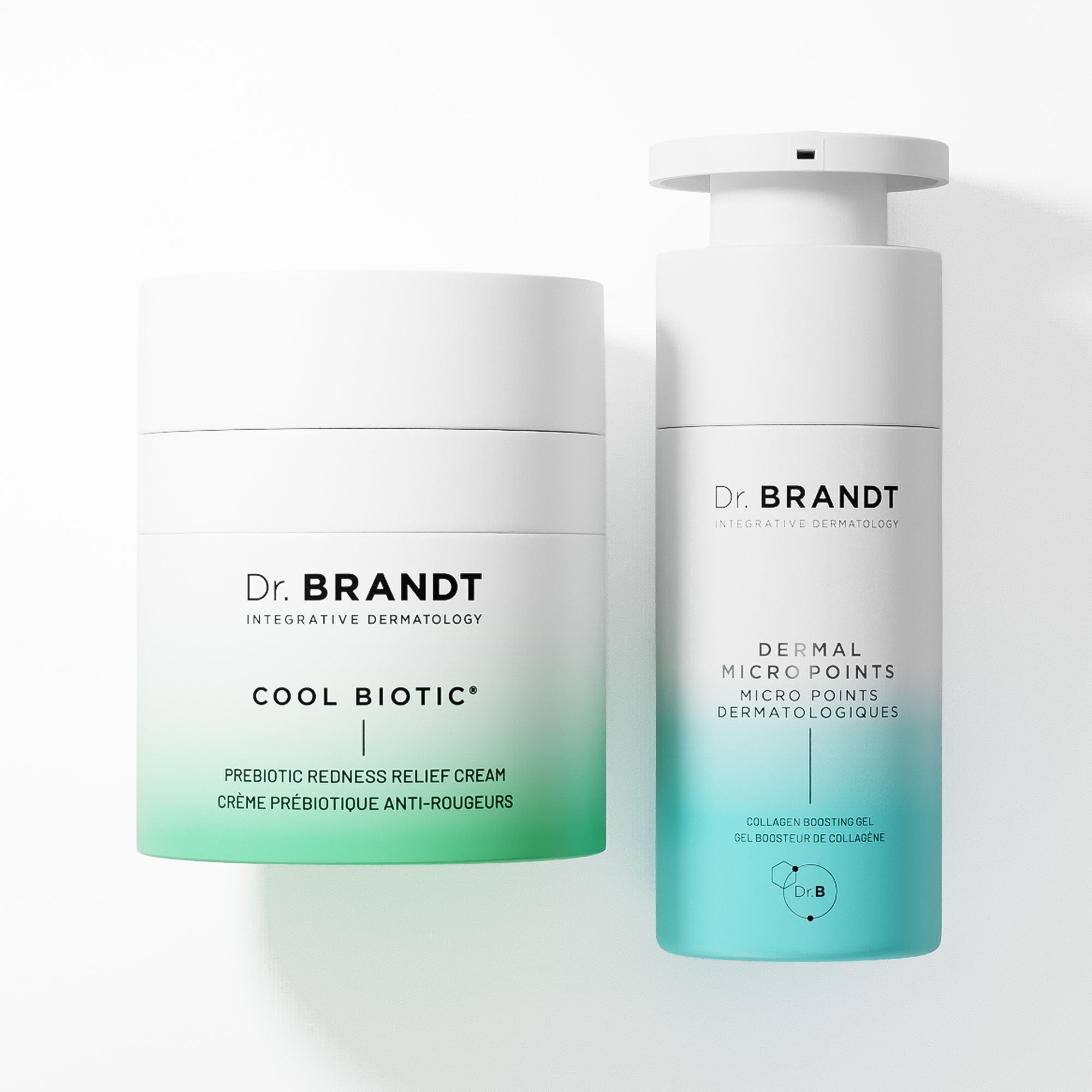
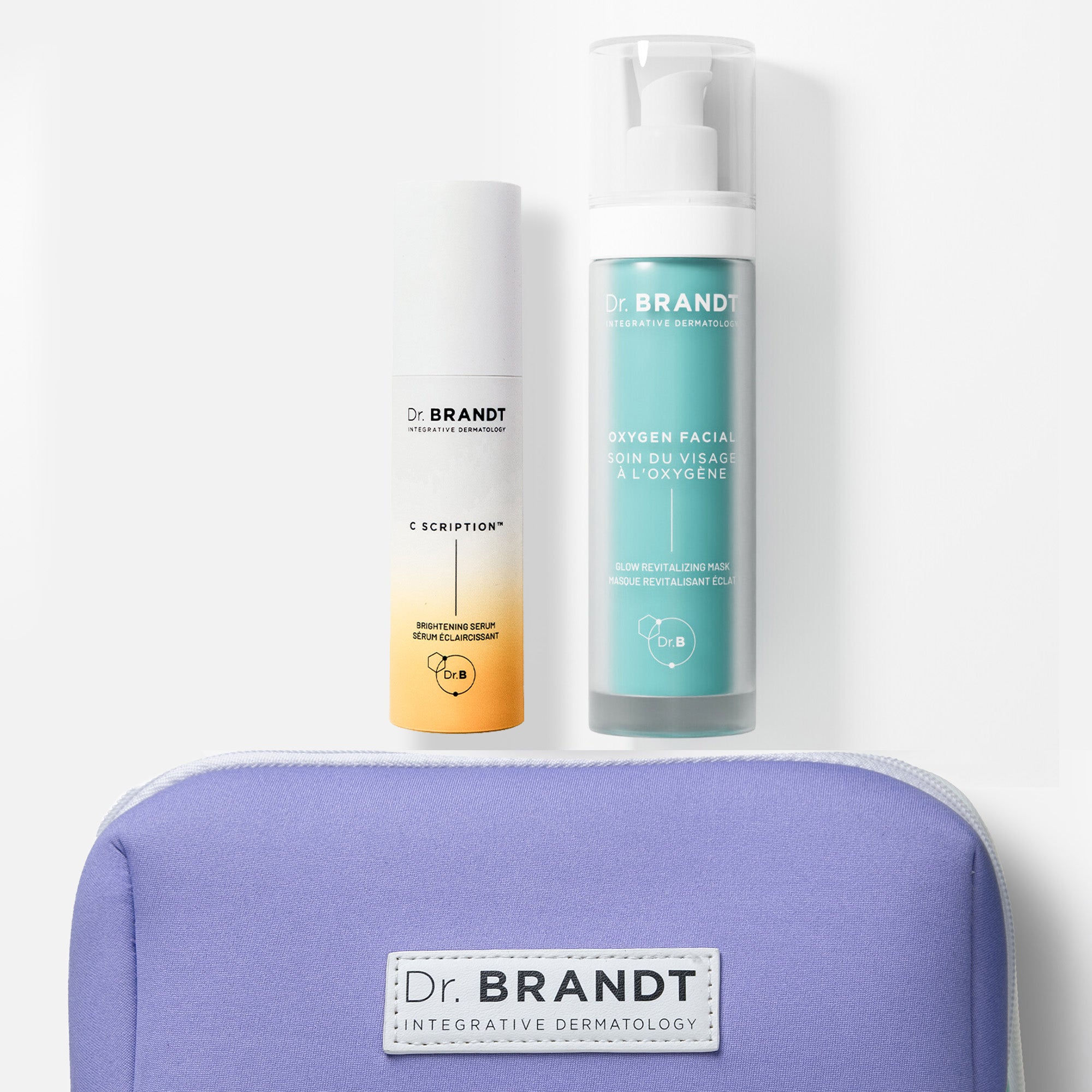
The beauty industry markets countless products toward menopausal women, but dermatologists with clinical expertise in hormonal skin changes develop few. Dr. BRANDT® formulas are clinically tested and developed alongside Miami's top dermatology experts who understand the specific concerns women face during this transition. Every product is vegan, cruelty-free, and formulated to work across all skin tones. We've spent 30+ years studying how integrative dermatology can address the full spectrum of skin health, from cellular function to emotional well-being. Explore our clinically tested formulas designed for skin undergoing hormonal change.