
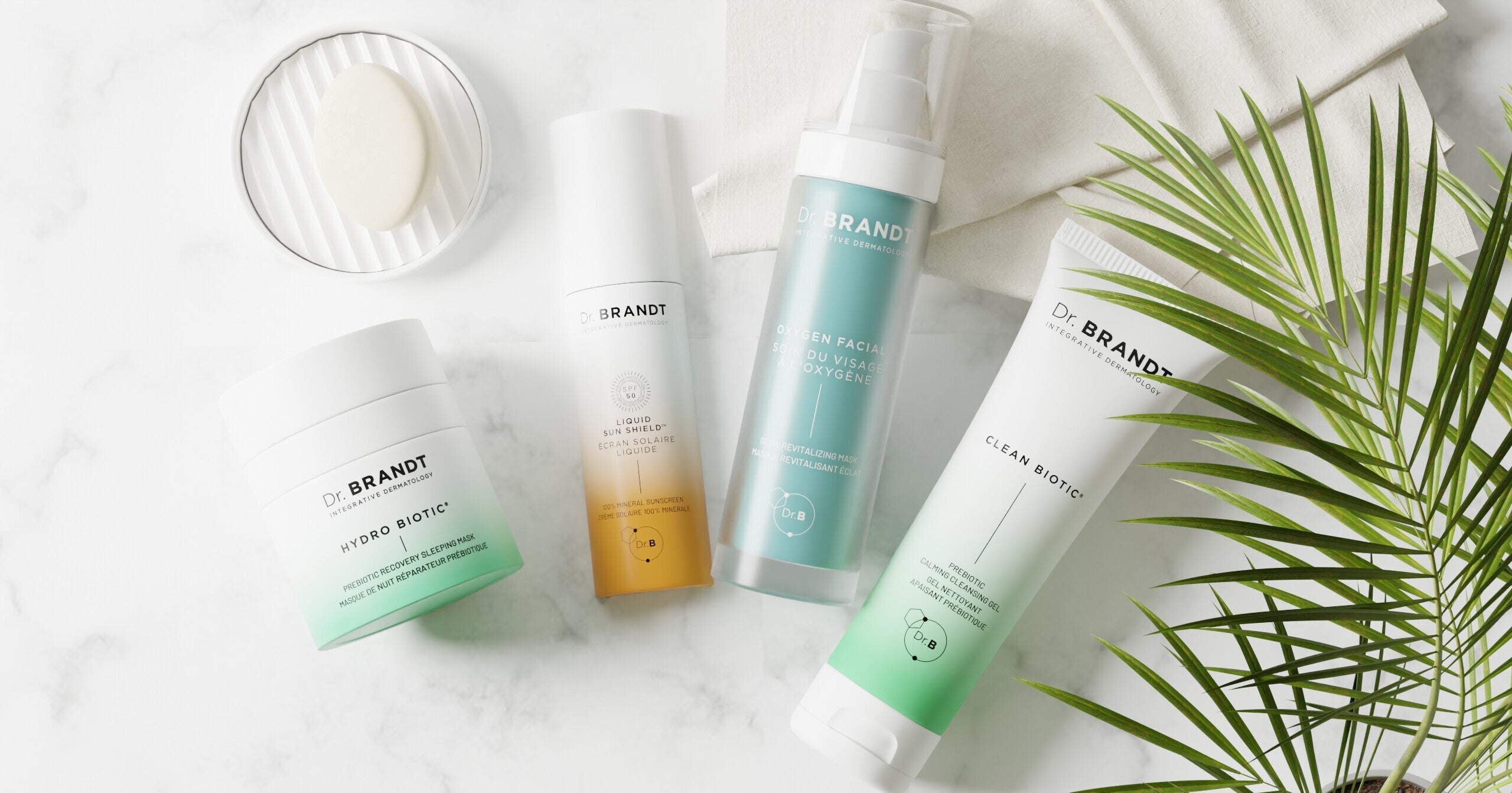
Dermatologist Recommended Skincare Products for 2026
What Makes Skincare Products Dermatologist-Recommended
Dermatologist-recommended skincare products meet strict clinical standards and contain active ingredients at proven concentrations. These formulas are backed by research and designed to deliver real results, bridging the gap between professional treatments and at-home routines.
This guide explains how dermatologists evaluate skincare, which ingredients they trust, and how to build an effective routine based on science, not marketing.
How Dermatologists Evaluate Skincare Products
Dermatologists focus on three key factors:
1. Ingredient Concentration
-
Active ingredients must be present at effective levels
-
Example: 0.5% retinol works differently than 0.1%
2. Formulation Stability
-
Ingredients must remain effective over time
-
Vitamin C degrades with light/air
-
Retinoids are sensitive to pH
3. Clinical Testing
-
Proven results in controlled studies
-
Measurable outcomes (wrinkle reduction, hydration, etc.)
Most Recommended Active Ingredients
Retinoids
-
Increase cell turnover
-
Boost collagen
-
Improve acne and texture
Vitamin C
-
Antioxidant protection
-
Supports collagen
-
Best at 10–20% (L-ascorbic acid)
Hyaluronic Acid
-
Hydrates deeply
-
Plumps fine lines
-
Works across skin types
Peptides
-
Signal collagen production
-
Improve firmness and elasticity
Niacinamide
-
Reduces inflammation
-
Strengthens skin barrier
-
Good for sensitive skin
Benzoyl Peroxide
-
Kills acne-causing bacteria
-
Used at 2.5–10%
Building a Dermatologist-Recommended Routine
Step 1: Cleanser
-
Gentle, pH-balanced
-
Doesn’t strip the skin
Step 2: Treatment
-
Apply actives (retinol, vitamin C, acids)
-
Use the thinnest products first
Step 3: Hydration
-
Use hyaluronic acid, ceramides, peptides
-
Layer moisture properly
Step 4: Sunscreen
-
SPF 30+ every morning
-
Protects against aging and damage
Routine for Sensitive Skin
-
Use barrier-supporting ingredients:
-
Ceramides
-
Fatty acids
-
Cholesterol
Avoid:
-
Fragrance
-
Strong acids
-
High-strength retinoids (initially)
Start slow and build tolerance over time.
Acne-Focused Routine
-
Benzoyl peroxide or salicylic acid
-
Retinoids for prevention
-
Niacinamide for inflammation
Combination approach works best.
Skin Longevity Approach
Focus on:
-
Daily sunscreen (prevents ~80% of aging signs)
-
Antioxidants (vitamin C, E, ferulic acid)
-
Retinoids (collagen support)
-
Peptides (firmness)
Consistency over time is key.
How to Identify Quality Products
Look for:
-
Transparent ingredient lists
-
Clearly stated concentrations
-
Clinical testing data
-
Stable packaging (airless, opaque)
Avoid:
-
Vague claims
-
“Instant results” promises
What Are Dermaceuticals?
Dermaceuticals sit between cosmetics and pharmaceuticals:
-
Clinically active ingredients
-
No prescription required
-
Designed to replicate in-office results
They help maintain results between treatments.
Skin Barrier Health
Healthy barrier = better skin overall.
Key components:
-
Ceramides
-
Cholesterol
-
Fatty acids
Also important:
-
Proper pH (~5.5)
-
Microbiome balance
FAQs
#1 dermatologist brand?
No universal answer—depends on skin needs.
What do dermatologists recommend?
Cleanser, SPF, retinoid, moisturizer.
Best skincare for hormonal acne?
Combination of actives + medical guidance.
Conclusion
Dermatologist-recommended skincare focuses on proven ingredients, proper formulation, and consistent use. By choosing clinically backed products and building a structured routine, you can achieve professional-level results at home.


Leave a comment
This site is protected by hCaptcha and the hCaptcha Privacy Policy and Terms of Service apply.