
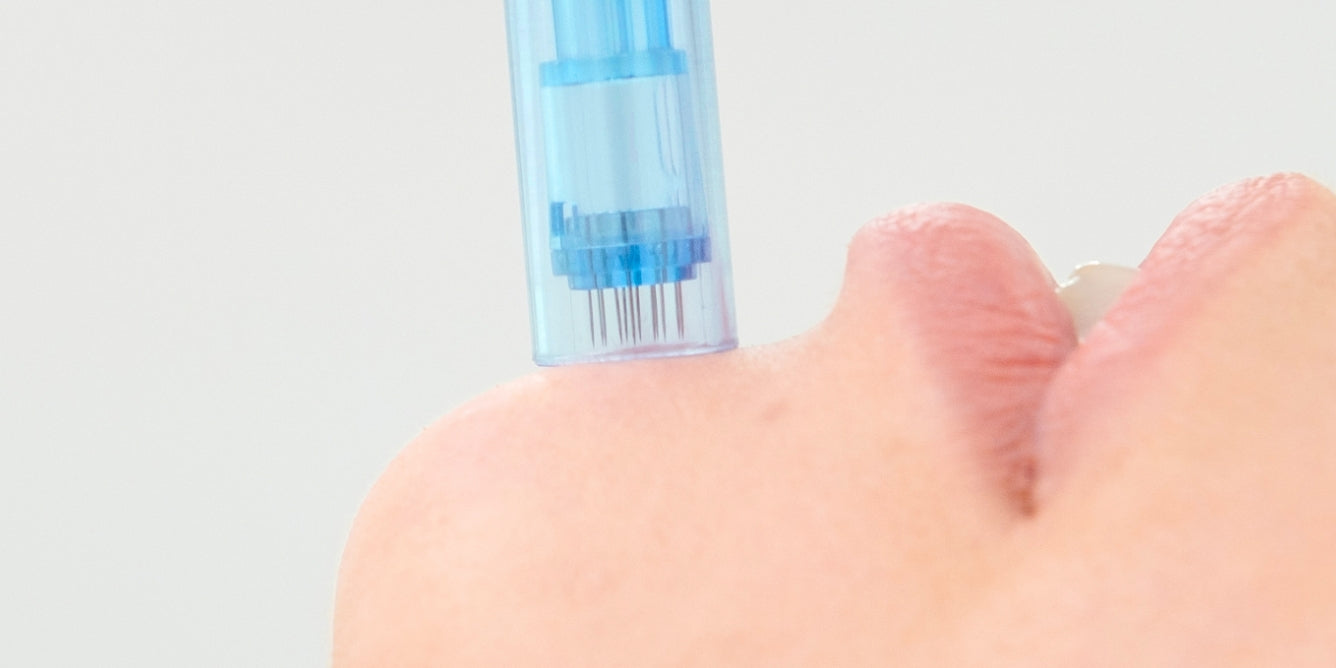
Microdermabrasion for Fine Lines and Wrinkles: What Works in 2026
Does Microdermabrasion Work for Fine Lines and Wrinkles?
Microdermabrasion can help reduce the appearance of fine lines and wrinkles by removing the outer layer of dead skin cells and stimulating collagen production. This exfoliation smooths skin texture and makes wrinkles less noticeable over time.
This guide explains how microdermabrasion works, what results you can realistically expect, and how it compares to other treatments.
How Microdermabrasion Works
Microdermabrasion is a resurfacing treatment that exfoliates the outermost layer of skin (stratum corneum).
It works by:
-
Using fine crystals or a diamond-tip device to remove dead skin
-
Triggering the skin’s natural repair response
-
Increasing cell turnover and mild collagen production
What happens during treatment:
-
Skin is cleansed
-
The device passes over the face
-
Light abrasion + suction removes debris
Session time: 30–60 minutes
Initial results: smoother texture within ~1 week
The Science Behind It
-
Stimulates fibroblasts → increases collagen and elastin
-
Collagen boost is modest, not dramatic
-
Helps counter natural collagen loss (~1% per year after early adulthood)
Realistic Expectations
Microdermabrasion works best for superficial concerns.
What it can improve:
-
Fine lines (especially around eyes, mouth, and forehead)
-
Rough texture
-
Dullness
-
Mild acne scars
-
Uneven skin tone
What it cannot fix:
-
Deep wrinkles
-
Loose or sagging skin
-
Significant volume loss
Think of it as maintenance, not transformation.
Comparison to Other Treatments
Microneedling (especially RF microneedling)
-
Penetrates deeper
-
Stronger collagen stimulation
-
Better for moderate wrinkles
-
Requires downtime
Laser Resurfacing
-
Removes deeper skin layers
-
Treats moderate to deep wrinkles
-
More aggressive + longer recovery
Chemical Peels
-
Use acids instead of abrasion
-
Can penetrate deeper than microdermabrasion
-
Higher irritation risk
Dermabrasion (older method)
-
Very aggressive
-
Long recovery
-
Largely replaced by modern treatments
At-Home Microdermabrasion
You can replicate some benefits at home with exfoliating formulas.
They work through:
-
Physical exfoliation (fine particles)
-
Chemical exfoliation (AHAs/BHAs)
Best results come from combining both.
Benefits:
-
Smoother texture
-
Better product absorption
-
Gradual improvement in fine lines
How to Use At Home
-
Apply to damp skin
-
Use gentle circular motions
-
Massage time: 1-2 minutes
-
Rinse with lukewarm water
-
Follow with hydrating serum + SPF
Frequency: 2–3 times per week
Building a Routine Around It
For best results, combine with:
-
Retinol (collagen support, alternate days)
-
Peptides (repair signaling)
-
Hyaluronic acid (hydration)
-
Niacinamide (barrier support)
-
Vitamin C (antioxidant protection)
Always finish with SPF 30+
What to Avoid After Treatment
-
Strong acids
-
Retinoids (same day)
-
Benzoyl peroxide
-
Direct sun exposure
Your skin is more sensitive post-exfoliation.
Who Should Use It
Good candidates:
-
Early aging (fine lines)
-
Rough or dull skin
-
Mild sun damage
Avoid if you have:
-
Active acne
-
Rosacea
-
Eczema
-
Open wounds
When to Choose Other Treatments
Choose stronger treatments if you have:
-
Deep wrinkles
-
Significant sagging
-
Major sun damage
Better options:
-
RF microneedling
-
Laser resurfacing
-
Fillers or Botox
FAQs
Does microdermabrasion help wrinkles?
Yes, for fine lines and surface wrinkles.
Downsides?
Limited depth, requires maintenance, can irritate if overused.
Best treatment overall?
Depends on wrinkle depth:
-
Mild: microdermabrasion + skincare
-
Moderate: microneedling/laser
-
Deep: injectables or procedures
Why isn’t dermabrasion used anymore?
Too aggressive and modern treatments are safer and more precise.
Conclusion
Microdermabrasion is an effective, low-downtime option for improving fine lines, texture, and overall skin appearance. It delivers gradual results and works best as part of a consistent skincare routine or maintenance plan.
For deeper wrinkles or structural aging, more advanced treatments are required, but for early aging, it remains a reliable and accessible option.


Leave a comment
This site is protected by hCaptcha and the hCaptcha Privacy Policy and Terms of Service apply.