Gentle Microdermabrasion for Sensitive Skin
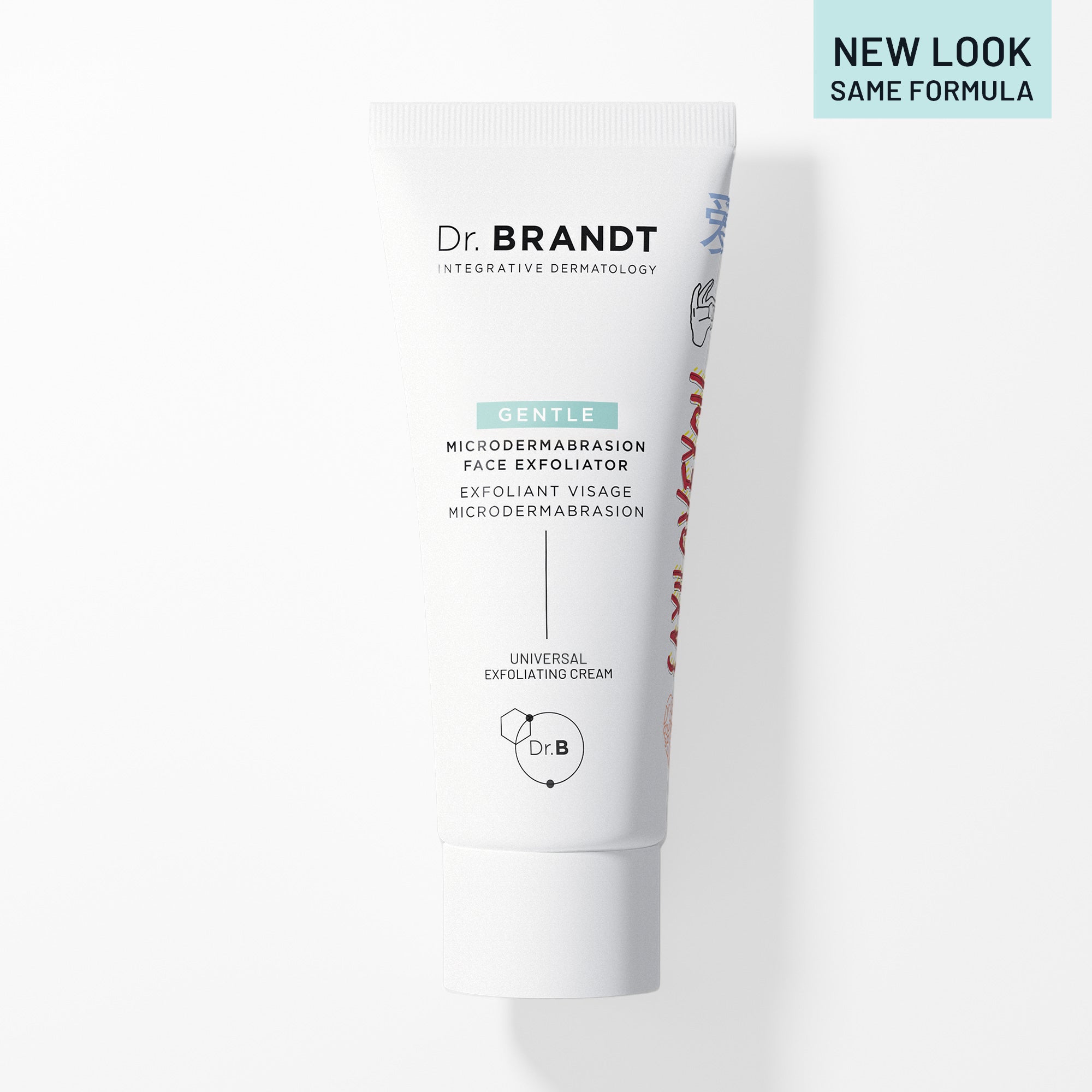
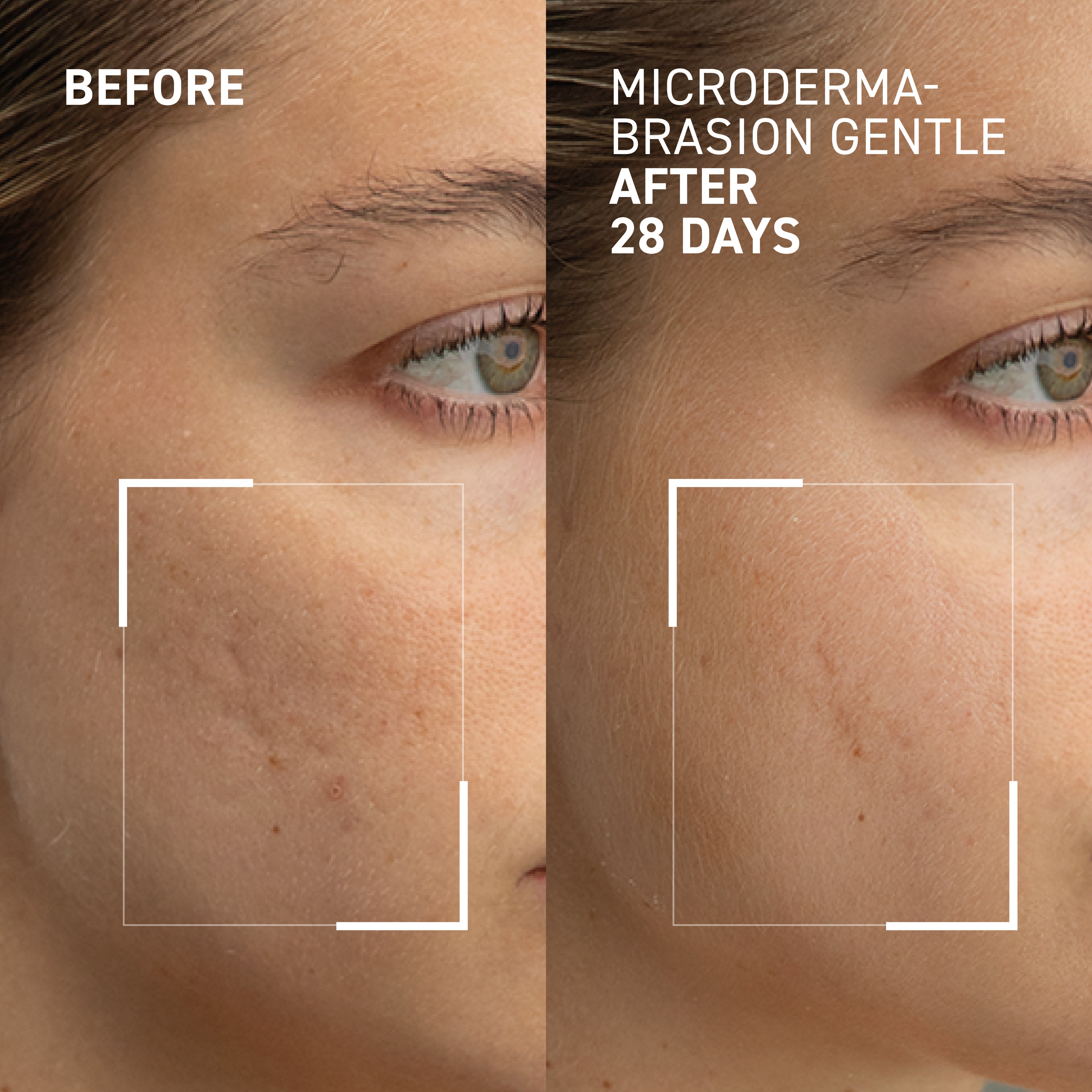
If you have sensitive skin, you've probably been told Microdermabrasion isn't for you. That's outdated thinking. Gentle microdermabrasion is ideal when formulated correctly. Our sapphire microdermabrasion formulas use ultra-fine crystals that polish without aggravating reactive skin. You get the glow and texture refinement of a professional treatment without redness or downtime.
Traditional microdermabrasion treatment can be too aggressive for delicate complexions. We calibrated our best microdermabrasion scrub formulas to work with your skin's natural barrier, not against it. Each product is clinically tested on sensitive skin types to confirm it exfoliates the outer layer of dead cells without triggering inflammation.
Is Microdermabrasion Safe for Your Skin Type
Is microdermabrasion safe if you're prone to irritation? Yes, when the formula respects your skin's limits. You can generally undergo microdermabrasion at home if you choose products designed for sensitivity. Our approach removes dead skin cells and buildup without the harsh abrasion that causes microdermabrasion to damage reactive complexions.
Talk to your dermatologist if you're unsure about your skin type. Most people with sensitivity can use gentle microdermabrasion, but active rosacea or eczema may require waiting until flare-ups calm. We formulate for real-world skin, not perfect skin.
Favorite Collections: Under Eye Bag Cream Collection, Microdermabrasion At Home, Microdermabrasion Scrub, Eye Cream For Dark Circles, Neck Cream, Dermatologist Recommended Microdermabrasion At-Home
How Microdermabrasion Works Without Irritation
Microdermabrasion exfoliates by buffing away the outermost layer of dull, dead cells. The key is particle size and formulation. Our sapphire microdermabrasion crystals are finer and more uniform than standard formulas. This means effective removal of buildup without the micro-tears that cause sensitivity.
We pair physical exfoliation with skin-gentle actives that calm as they polish. You won't find harsh alcohols or synthetic fragrances. Every ingredient earns its place by delivering results or supporting your skin barrier. That's how microdermabrasion becomes safe for even the most reactive complexions.
What Makes Our Treatment Different
Most microdermabrasion products are formulated for normal to oily skin. We built ours for the people left out of that equation. Our formulas combine the controlled exfoliation of professional treatments with the barrier-supporting ingredients sensitive skin needs. Think of it as bringing your dermatologist's precision home.
Each formula goes through clinical testing on sensitive skin types before launch. We measure not just efficacy but also irritation markers. If a formula doesn't pass both tests, it doesn't ship. That's 30 years of integrative dermatology at work.
Microdermabrasion Compared to Chemical Peels
Chemical peels and microdermabrasion both resurface skin, but they work differently. Peels use acids to dissolve dead cells. Microdermabrasion uses physical exfoliation. For sensitive skin, gentle microdermabrasion often feels more controllable because you can see and feel the product working in real time.
That said, some people do better with one treatment over the other. Your skin type, concerns, and tolerance all matter. If chemical peels leave you red and flaky, microdermabrasion might be your answer. If you're unsure, start with our gentlest formula and adjust from there.
Building Your Beauty Routine
Microdermabrasion fits into your routine as a weekly or bi-weekly treatment, not a daily step. Use it after cleansing and before serums. Follow with a hydrating formula to support barrier recovery. Sensitive skin thrives on consistency, not intensity.
Pair microdermabrasion with gentle, non-irritating products the rest of the week. Skip actives like retinol on treatment days. Your skin needs time to renew without being pushed too hard. That's how you get a glow without the downtime.
Who Should Skip Microdermabrasion
Microdermabrasion safe? Not for everyone. Skip it if you have active acne cysts, open wounds, or untreated rosacea. Sunburned skin needs to heal first. If you're on prescription retinoids, talk to your dermatologist before adding physical exfoliation. Timing matters.
Pregnant or nursing? Most topical microdermabrasion formulas are fine, but check with your doctor. If you've had recent cosmetic procedures, wait until your provider clears you. We want you to see results, not setbacks.
Getting the Best Results
Start slow. Use microdermabrasion once a week for the first month, then adjust based on how your skin responds. More isn't better with sensitive skin. You're aiming for gradual lift and improvement, not overnight transformation.
Watch for signs you're overdoing it: persistent redness, tightness, or increased sensitivity. If that happens, scale back. Think of it as your at-home spa ritual, consistent, restorative, and calibrated to what your skin actually needs. Your skin will tell you what it needs. Listen to it. Explore our clinically tested formulas and take the dermatologist home.