How Age Spots Treatment Works
Age spots appear as flat, brown patches on sun-exposed areas like your face, hands, and chest. These spots develop over years of UV exposure, which triggers melanin clusters in your skin. Effective treatment requires three actions: exfoliating dead surface cells, inhibiting new melanin production, and protecting skin from further sun damage. Our melasma treatment cream delivers all three through clinically tested actives that work together, not against each other.
Most treatments fall into two categories: at-home formulas and in-office procedures. Dermatologist-developed skincare products for brightening skin offer gradual fading you control daily. Laser treatments and chemical peels provide faster results but require recovery time and clinic visits. Many people start with topical care and reserve procedures for stubborn spots that don't respond to consistent home treatment.
What Dermatologists Recommend First
Dermatologists typically suggest starting with a proven topical regimen before considering laser removal or other procedures. Daily exfoliation removes the outermost layer of pigmented cells. Brightening actives like vitamin C and niacinamide interrupt melanin formation. Broad-spectrum sun protection prevents new spots from forming while existing ones fade.
This approach lets you see how your skin responds before investing in surgery or clinic-based treatments. You'll know within 8 to 12 weeks whether topical care alone will deliver the results you want. If age spots persist after consistent use, your dermatologist can recommend complementary procedures.
Ingredients That Effectively Remove Age Spots
Effective formulas combine multiple actives that target different stages of pigmentation in a pigmentation-correcting serum. Exfoliating acids like glycolic and lactic acid dissolve the bonds between dead cells, revealing fresher skin beneath. Vitamin C inhibits tyrosinase, the enzyme responsible for melanin production. Retinol accelerates cell turnover and helps fade existing pigmentation faster.
Niacinamide prevents melanin transfer from deeper layers to the surface. Peptides support skin repair and barrier function during treatment. Antioxidants protect against free radical damage that can worsen hyperpigmentation. Look for formulas that layer these actives at clinically effective concentrations, not trace amounts added for label appeal.
Exfoliation and Cell Turnover
Age spots sit in your skin's upper layers, which means regular exfoliation physically removes pigmented cells over time. Chemical exfoliants work more evenly than physical scrubs, which can create micro-tears and trigger more pigmentation. Glycolic acid penetrates deeply to loosen dead cells. Lactic acid offers gentler exfoliation for sensitive skin types.
Consistent exfoliation also prepares your skin to absorb brightening actives more effectively. You're clearing the path for treatment ingredients to reach living cells where melanin forms. Pair exfoliation with sun protection daily, since fresh skin is more vulnerable to UV damage that creates new spots.
Brightening and Protective Actives
Vitamin C remains one of the most researched brightening actives in skin care. It blocks tyrosinase activity and neutralizes free radicals that accelerate aging. Stable forms like ascorbic acid and tetrahexyldecyl ascorbate deliver results without oxidizing quickly. Niacinamide works through a different pathway, reducing melanosome transfer and strengthening your skin barrier.
Retinol increases cell turnover rate, pushing pigmented cells to the surface faster while stimulating collagen production. It also helps prevent future sun damage at the cellular level. Combining these actives creates a comprehensive approach that addresses existing spots while protecting against new ones.
Building Your Treatment Routine
Start with a gentle cleanser that won't strip your skin or trigger irritation. Apply your treatment formula to clean, dry skin, focusing on areas with visible spots. Layer a broad-spectrum SPF 30 or higher every morning, even on cloudy days. Sun exposure undoes treatment progress and creates new pigmentation faster than actives can fade existing spots.
Introduce new actives gradually if you're not accustomed to exfoliating acids or retinol. Begin with every other night, then increase to nightly as your skin adapts. Pair treatment products with a hydrating moisturizer to support your barrier during exfoliation. Consistency matters more than intensity when fading age spots.
When to Consult a Dermatologist
See a dermatologist if spots change shape, color, or texture. Sudden changes can indicate skin concerns beyond simple hyperpigmentation. A doctor can distinguish between age spots, melasma, acne scars, and other pigmentation types that require different care approaches. They can also evaluate whether medications you take might contribute to photosensitivity.
If topical treatments don't produce visible fading after 12 weeks of consistent use, ask about complementary procedures. Laser treatments target melanin deposits directly. Chemical peels remove multiple layers of pigmented cells at once. These clinic-based options work faster but require professional supervision and recovery time.
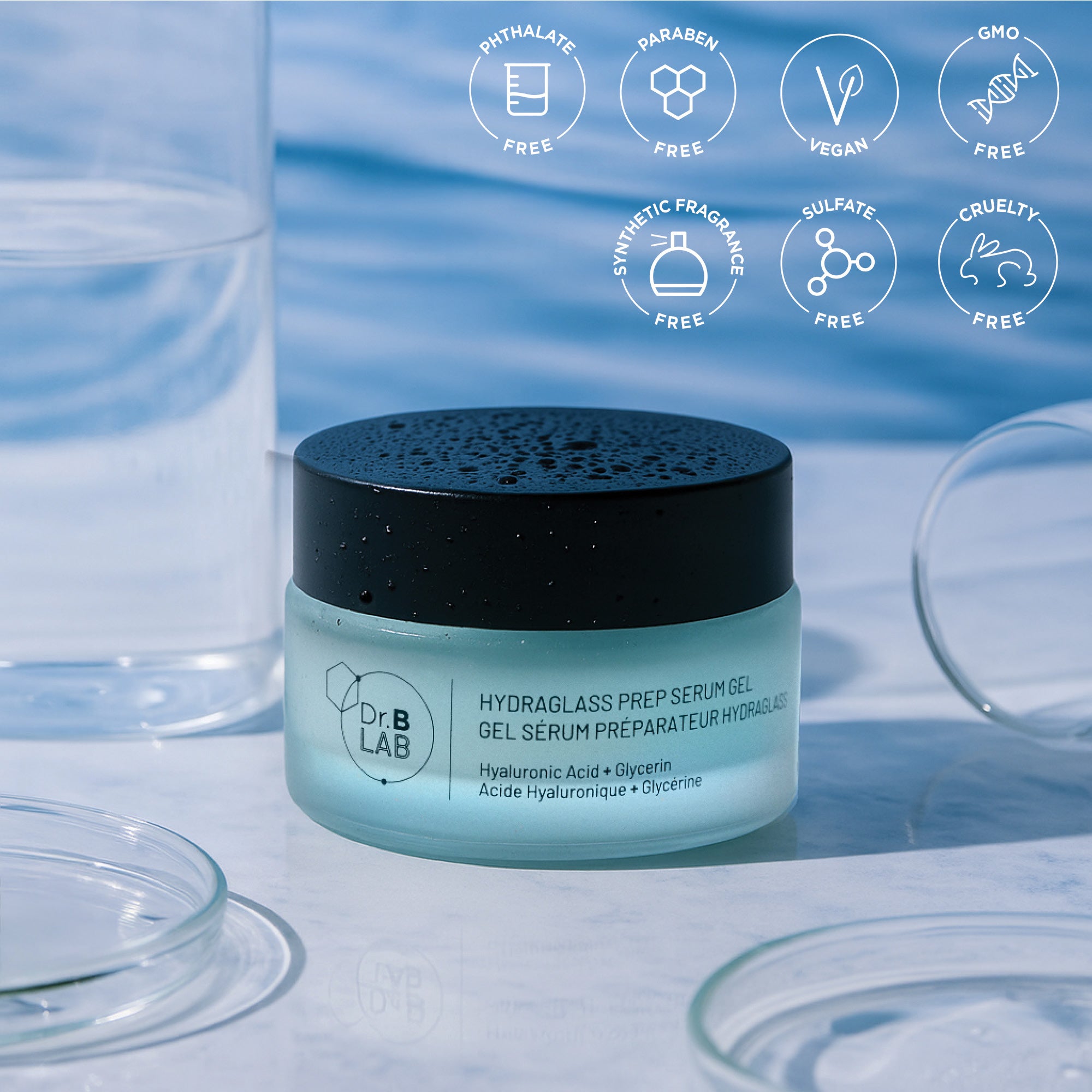
Explore our clinically tested formulas developed alongside dermatologists. Every product is vegan, cruelty-free, and designed to work across all skin tones. See the science behind visible results you can take home.