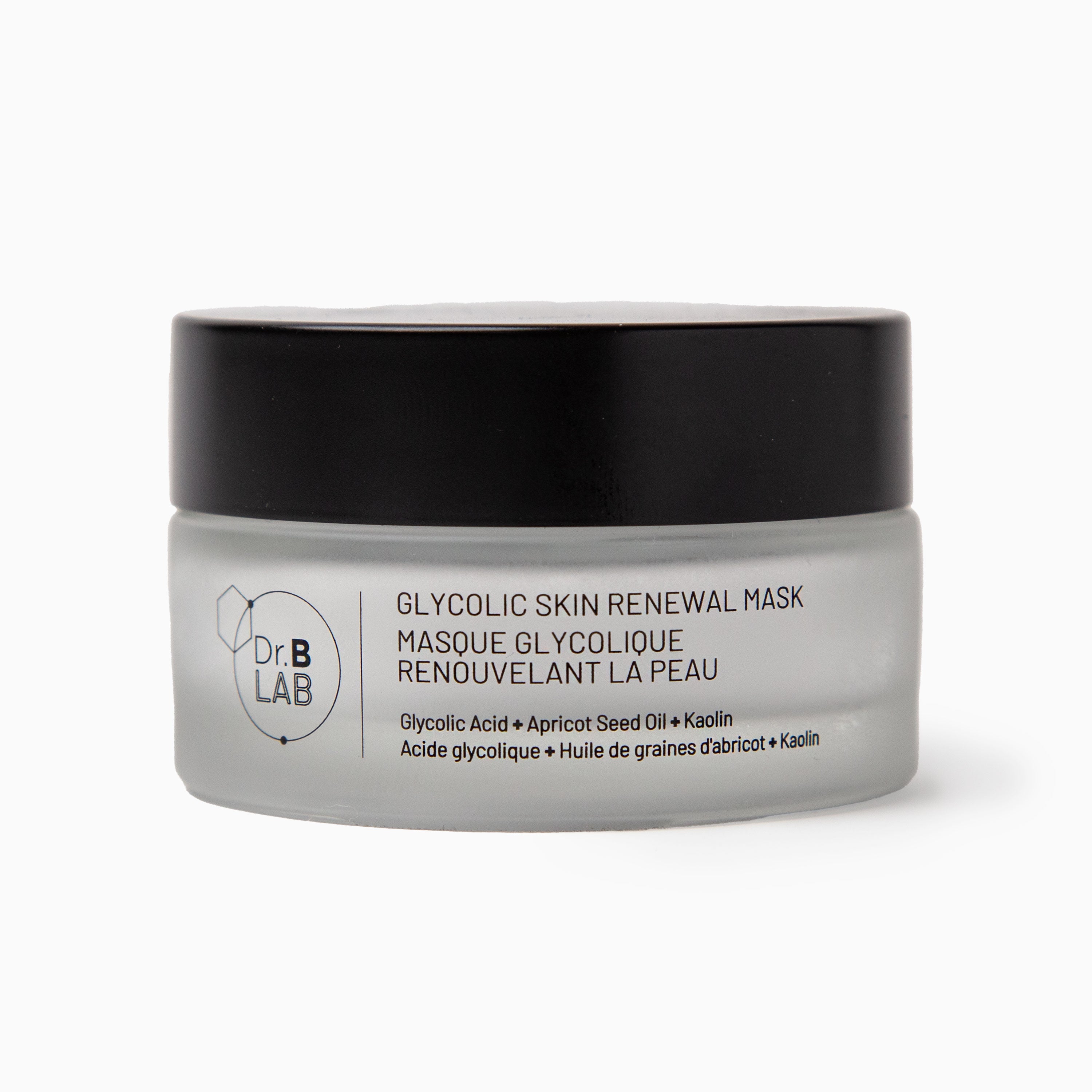
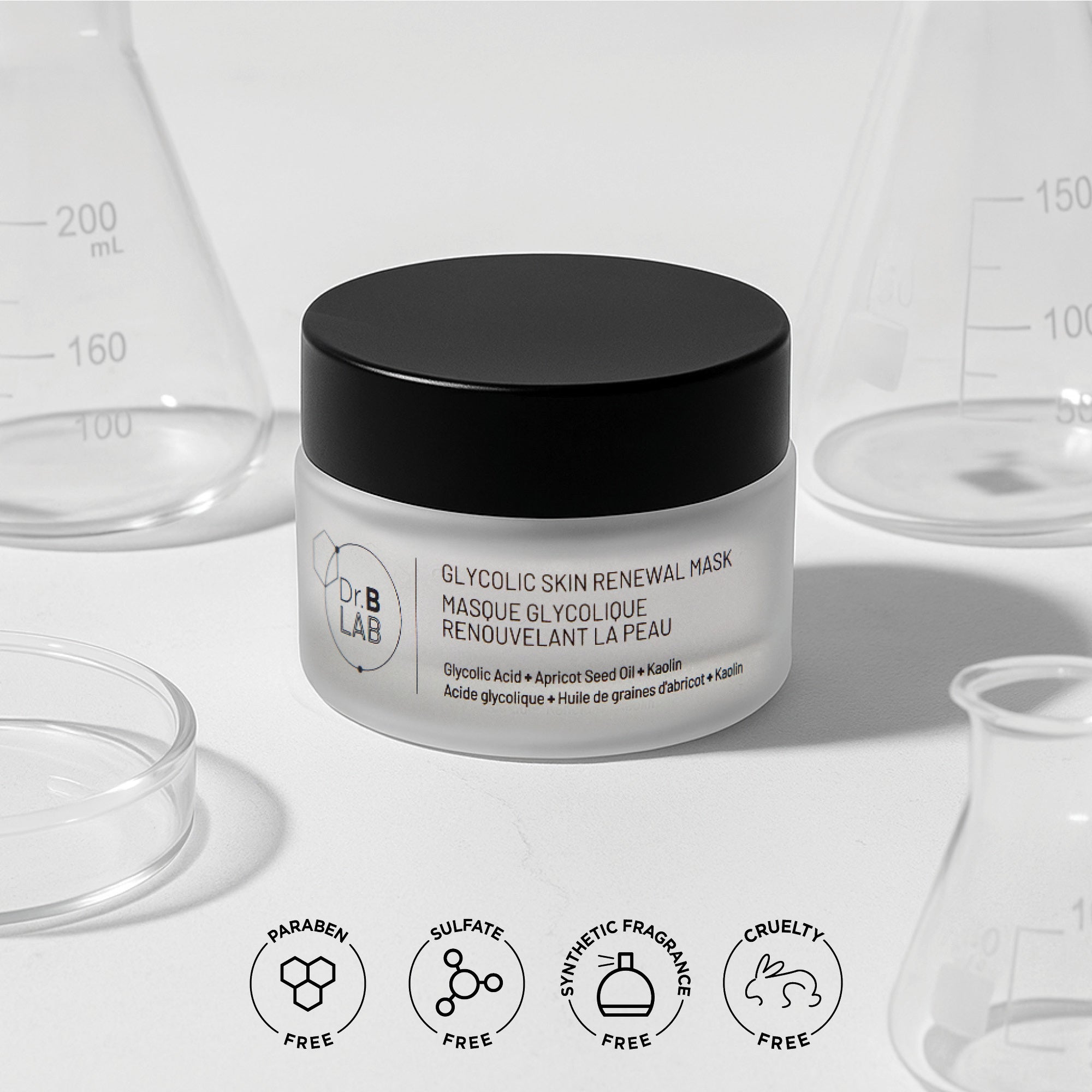
What Melasma Cream Does for Your Skin
Melasma appears as brown or gray patches, typically on the face, and stems from excess melanin production. Hormonal changes during pregnancy, estrogen fluctuations, and UV exposure all trigger this condition. A dark spot brightening serum works by addressing pigment at the surface and supporting your skin's natural renewal cycle. Our formulas combine targeted acids with gentle delivery systems to help fade dark spots without irritation.
You'll find skin brightening products that work for sensitive skin, melanin-rich complexions, and those who need results without harsh medications. Every product is vegan, cruelty-free, and clinically tested by our expert panel of dermatology and wellbeing specialists in Miami.
How Acids Target Uneven Pigmentation
Glycolic acid, lactic acid, and other exfoliating ingredients help decrease the appearance of dark patches by encouraging cell turnover. These acids work at the skin's surface to lift away pigmented cells and reveal fresher skin underneath. You won't find hydroquinone in our formulas, we focus on gentler alternatives in our corrective discoloration treatment that deliver visible improvement over consistent use.
Pair your melasma cream with broad-spectrum SPF daily, and consider adding an oil free eye cream to address delicate areas. UV exposure worsens pigmentation, and protecting your skin tone from further damage is as important as fading existing spots.
Choosing the Right Product for Your Needs
If you're pregnant or nursing, avoid products with retinoids and certain acids. Consult your healthcare provider before starting any facial regimen. For those not pregnant, look for detoxifying face masks and formulas that combine exfoliating acids with hydration to maintain your skin's barrier while addressing pigment.
Our Skin-Body-Mind philosophy recognizes that melasma often connects to hormonal and emotional wellbeing. Stress, sleep, and lifestyle all influence skin health. A complete approach includes both topical care and attention to what's happening inside your body.
Ingredients That Work Without Irritation
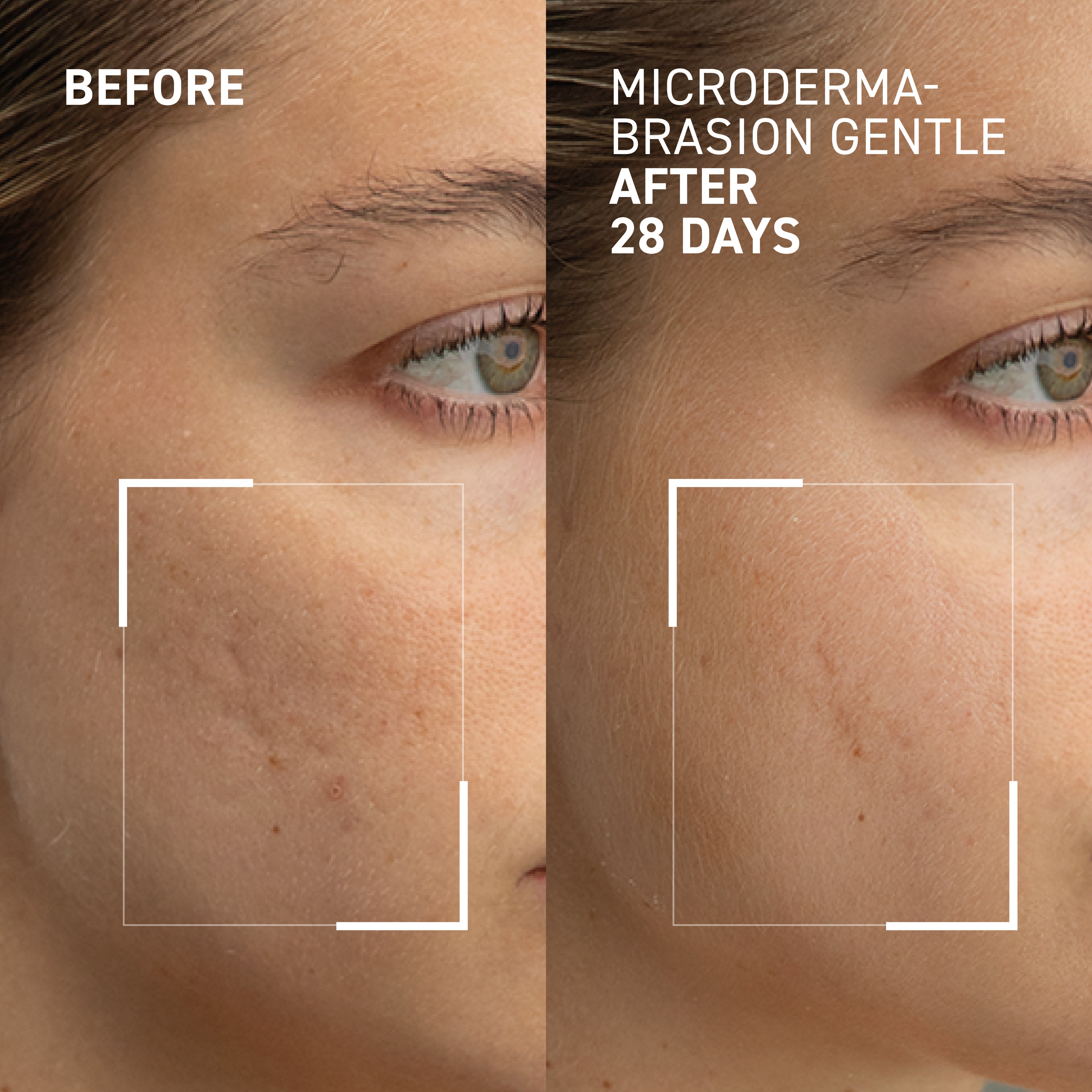
Effective melasma treatment doesn't require harsh medications or corticosteroids. Our formulas use a blend of exfoliating acids, antioxidants, and barrier-supporting ingredients to help even skin tone gradually. You'll see improvement with consistent use, typically within 8 to 12 weeks, without the sensitivity that comes from aggressive peels or prescription-strength products.
Lactic acid and mandelic acid are particularly effective for darker skin tones because they exfoliate without triggering post-inflammatory hyperpigmentation. Niacinamide supports barrier function while helping to decrease melanin transfer. Vitamin C brightens and protects against environmental stressors that worsen discoloration.
What to Expect From Clinical Testing
Our formulas undergo rigorous clinical testing with diverse skin types and tones. We measure improvement in pigmentation, skin texture, and overall tone evenness over controlled timeframes. This process ensures that what we claim is what you'll actually see: no vague promises, just documented results from real use.
We've spent 30+ years developing dermaceutical products rooted in integrative dermatology. That means every ingredient earns its place based on science, not trends. Our expert panel includes dermatologists and wellbeing specialists who understand how skin health connects to your whole body.
Building Your Melasma Care Routine
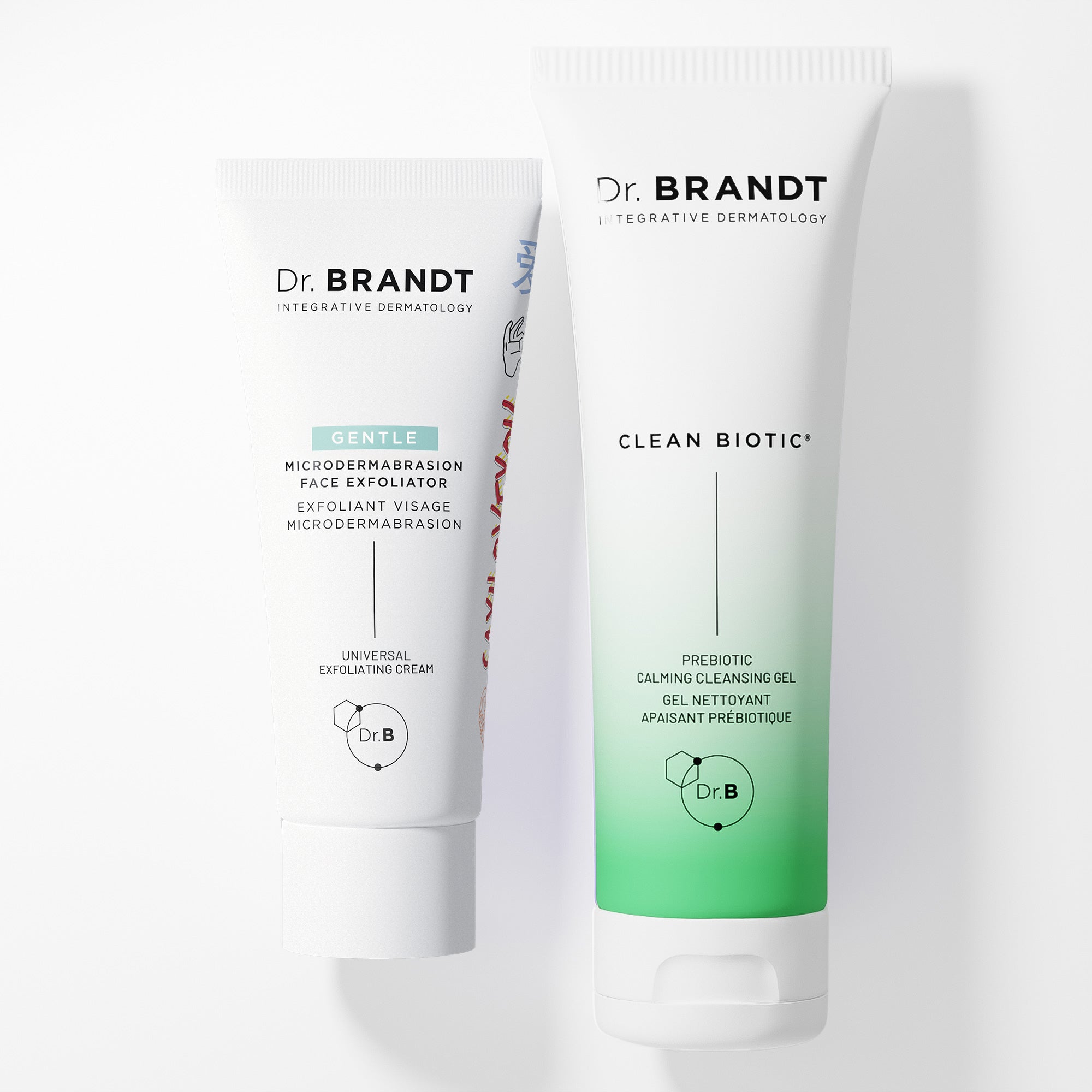
Start with a gentle cleanser morning and night. Apply your melasma cream to clean, dry skin, focusing on areas with visible dark patches. Follow with a lightweight moisturizer to support your skin's barrier. In the morning, always finish with broad-spectrum SPF 30 or higher, this step is non-negotiable.
Avoid mixing too many active ingredients at once. If you're using other acids or retinoids, introduce your melasma cream slowly and watch for irritation. Your skin needs time to adjust to new formulas, especially if you have sensitive or reactive skin that benefits from oil free options.
When to Consult a Provider
If you've used over-the-counter melasma cream for three months without visible improvement, schedule an appointment with a dermatology clinic. Some cases require prescription medications or in-office procedures like chemical peels or laser therapy. A qualified provider can assess your specific pigmentation pattern and recommend next steps.
Melasma can be stubborn, but it's manageable with the right approach. Consistency matters more than intensity. Gentle, daily care outperforms sporadic aggressive treatments every time.
See the Science Behind It
Our formulas reflect three decades of clinical heritage and a commitment to products that work across all skin tones, types, and genders. We don't chase trends or make claims we can't support. Every product is designed to deliver in-office dermatological results at home, because you deserve skincare that respects your intelligence and your skin.
Explore our clinically tested melasma cream formulas and take the dermatologist home. Your skin's wellbeing starts here.