How color corrector for dark circles works
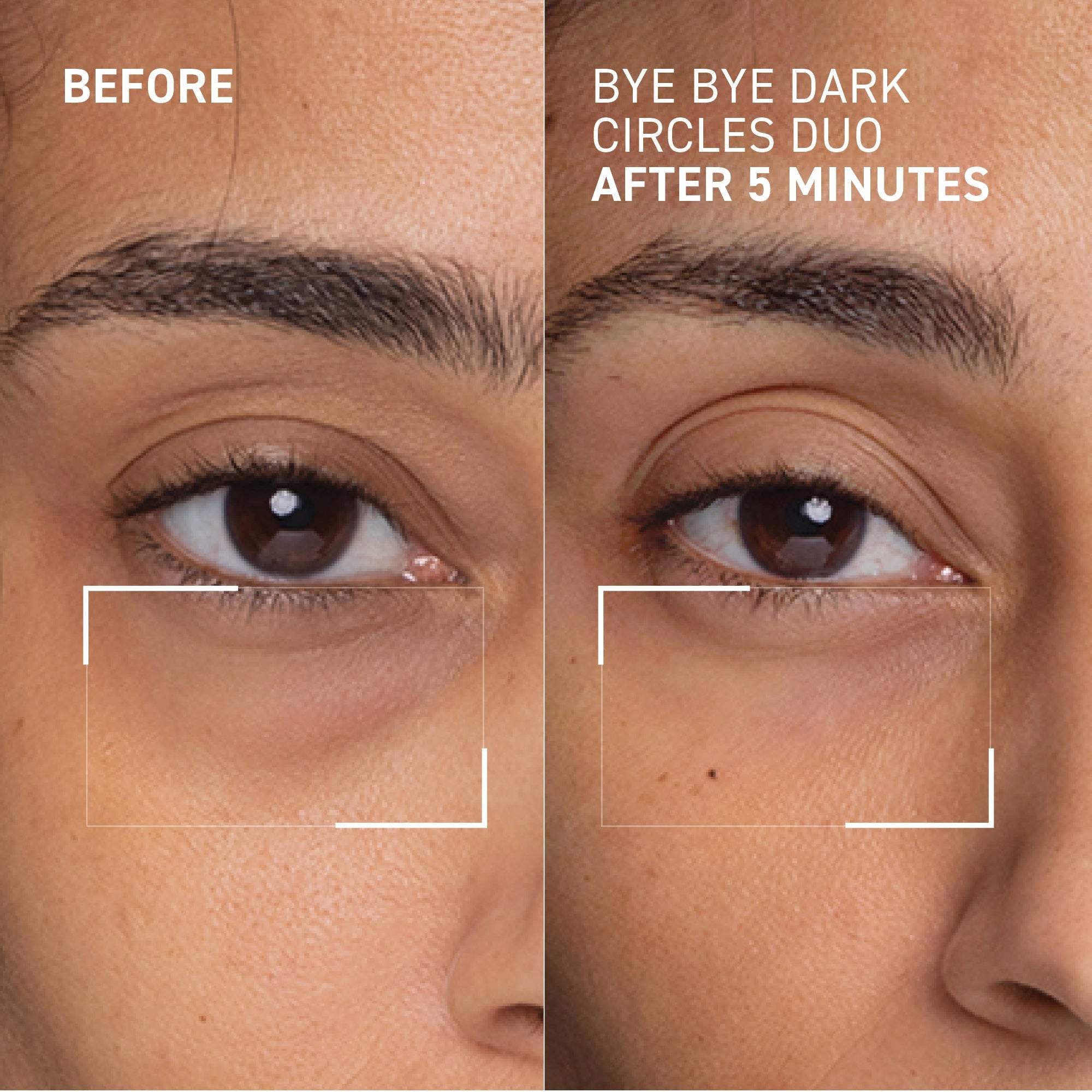
Color correcting targets pigmentation before you apply concealer. Peach and orange shades neutralize blue and purple tones in under-eye circles, creating an even base for makeup. You apply corrector directly to clean skin or over a face serum, then layer concealer on top for full coverage.
Why color matters in correction
Light to medium skin tones respond to peach corrector stick formulas. Medium to deep skin tones need orange or red-orange shades to counteract darkness. The right color neutralizes discoloration without adding heaviness, so your concealer glides on smoothly and looks natural.
When to use a corrector concealer
Use color correctors when dark circles show through your regular concealer or when you need less product overall. A thin layer of corrector does the heavy lifting, so you can apply concealer sparingly. This layering method prevents caking and creasing throughout the day.
Choosing your corrector stick shade
Match your corrector to your level of darkness, not your skin tone. Mild dark circles need light peach. Moderate discoloration requires deeper peach or light orange. Severe darkness calls for true orange or red-orange shades that work on brown skin and Indian skin tones.
Testing shades before you buy
Swatch the corrector on your inner wrist in natural light. The shade should look slightly brighter than your discoloration. If it matches your darkness exactly, it won't neutralize effectively. Drugstore options let you test affordably before committing to higher-end formulas.
Application techniques that deliver coverage
Pat corrector onto the darkest part of your under-eye area using your ring finger or a small brush. Blend outward gently without dragging. Let it set for 30 seconds before applying concealer. This prevents the two products from mixing and diluting the color correction.
Layering with eye treatments
Apply eye blackness cream first and let it absorb completely. Corrector adheres better to dry skin than damp skin. If you use treatments for eczema under the eyes, wait five minutes before color correcting. This prevents pilling and ensures your makeup stays in place.
Building natural coverage
Start with less corrector than you think you need. You can always add more after checking your work in natural light. Heavy application creates a mask effect that shows through concealer. Thin layers blend seamlessly and look like skin, not makeup.
Formulas for different skin needs
Cream corrector concealer formulas hydrate dry under-eye skin while correcting. Stick formulas offer precision and portability. A correct palette gives you multiple shades to customize your color match as seasons change or darkness fluctuates with sleep patterns.
Ingredients that support skin health
Look for vegan formulas with peptides and antioxidants that address dark circle causes while correcting appearance. Cruelty-free options from brands like Caliray Hideaway and mud [make-up designory combine color correction with skin-supporting ingredients. Avoid formulas with fragrance if you have sensitive eyes.
Color correcting for mature skin
Mature skin benefits from creamy corrector textures that don't settle into fine lines, which is why proper skin care is essential. Skip powder formulas that emphasize texture. Apply corrector only where you see darkness, not across the entire under-eye area. This prevents drawing attention to areas that don't need coverage.
Preventing creasing throughout the day
Set your corrector and concealer with a light dusting of translucent powder only on the inner corner where creasing starts. Leave the outer eye area powder-free to maintain flexibility. Blot excess oil with blotting paper instead of adding more powder, which builds up and looks heavy.
Correcting darkness on light skin
Light skin with blue or purple undertones needs pink-peach corrector shades. These neutralize coolness without adding warmth that looks orange. Test your corrector in daylight and indoor lighting, since fluorescent light can make peach look too bright on fair complexions.
Solutions for brown and Indian skin tones
Deep skin tones require orange to red-orange corrector for effective dark circle neutralization. Peach shades are too light to counteract pigmentation on melanin-rich skin. The best color corrector for dark circles Indian skin contains warm orange undertones that blend invisibly under concealer and foundation.
Avoiding ashy coverage
Skip correctors with white bases that leave a gray cast on brown skin. Choose formulas designed for natural tones using corrector shades that match the depth of your complexion. Layer your regular foundation under your eyes after concealer to ensure seamless blending with the rest of your face.
Does lack of sleep cause your circles
Sleep deprivation dilates blood vessels under thin eye skin, creating temporary darkness. Chronic poor sleep leads to fluid retention and puffiness that casts shadows. Color correcting masks appearance, but consistent sleep, hydration, eye cream, and a quality neck cream address underlying causes for lasting improvement.
Take the dermatologist home
Explore clinically tested color correctors formulated by dermatology experts. Every formula is vegan, cruelty-free, and designed to work across all skin tones. Shop corrector sticks, creams, and palettes that deliver visible results backed by 30 years of integrative beauty science.