
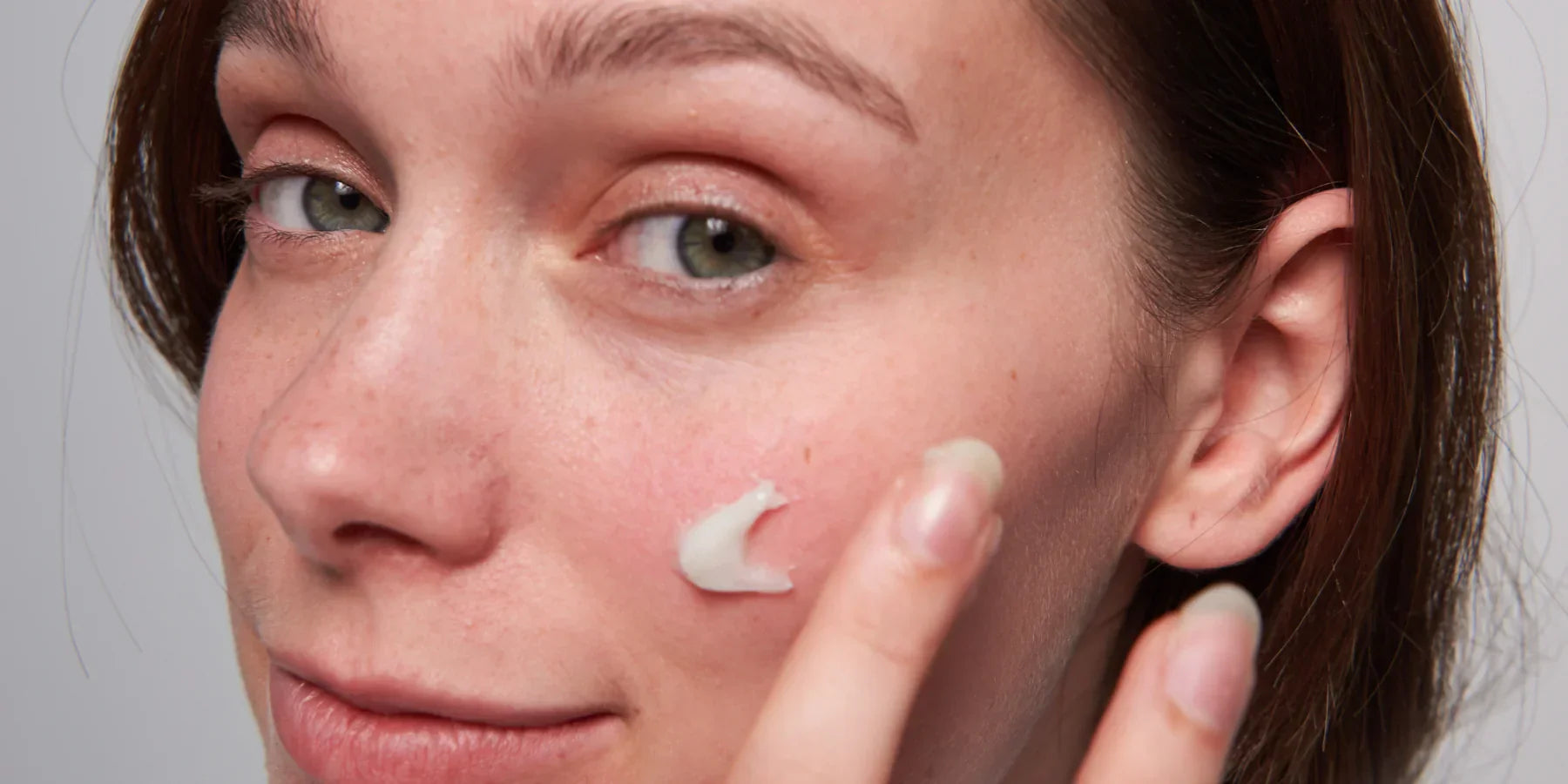
How Often Should You Use a Face Mask? Expert Guide
How Often Should You Use a Face Mask?
You should use a face mask one to three times per week, depending on the type of mask and your skin’s needs. However, our Oxygen Facial Mask can be used daily.
This guide explains how to tailor your masking routine for the best results without irritation.
What Determines Face Mask Frequency
Your ideal schedule depends on:
-
The type of mask (ingredients and intensity)
-
Your skin type
-
Your overall skincare routine
Examples:
-
Clay masks absorb oil → need recovery time
-
Hydrating masks add moisture → can be used more often
-
Oxygen → up to daily use
Also consider:
-
If you use retinol or acids, reduce exfoliating mask frequency
How Often to Use Different Mask Types
Exfoliating Masks
-
1–2 times per week
-
Includes chemical (AHAs/BHAs) and physical exfoliants
Important:
-
Avoid using it with retinol on the same day
-
Overuse can damage the skin barrier
Hydrating / Sheet Masks
-
2–3 times per week (or more if needed)
-
Good for dry or stressed skin
Types:
-
Gel masks
-
Sheet masks
-
Overnight masks
LED Masks (Light Therapy)
-
3–5 times per week
-
Helps with collagen, acne, and inflammation
Sessions:
-
3–20 minutes
-
Results build over time
Adjusting by Skin Type
Oily / Acne-Prone
-
Clay: 2–3x/week
-
Hydrating: 1x/week
Normal / Combination
-
Exfoliating: 1x/week
-
Hydrating: 1–2x/week
Dry / Sensitive
-
Exfoliating: ≤1x/week
-
Hydrating: 2–3x/week
Seasonal Adjustments
-
Summer: more oil → can increase clay masks
-
Winter: more dryness → reduce exfoliation, increase hydration
Common Mistakes
-
Leaving masks on too long
-
Using exfoliating masks too often
-
Applying to dirty skin
-
Skipping moisturizer afterward
How to Layer Masks with Other Products
Avoid combining:
-
Exfoliating masks + retinol
-
Exfoliating masks + strong acids
Safe combinations:
-
Hydrating mask + retinol (after waiting ~20 minutes)
-
Exfoliation + Oxygen (Radiance) Mask
Example Weekly Routine
Normal Skin
-
Sunday: exfoliating
-
Wednesday: Oxygen (Radiance)
-
Friday: hydrating
Oily Skin
-
Tuesday: BHA/ clay
-
Friday: exfoliating
-
Sunday: hydrating
Dry Skin
-
Hydrating: 2–3x/week
-
Exfoliating: every 10 days
FAQs
Can you use a face mask every day?
Yes, our Oxygen Facial Mask can be used daily.
Can you overdo masks?
Yes, especially exfoliating or clay masks.
Do you wash your face after a mask?
-
Yes: bubbling/exfoliating
-
No: some sheet or overnight masks
Conclusion
The right masking routine depends on balance, not frequency. Most people benefit from wearing masks a few times per week, adjusting the frequency based on skin type and season. Consistency and proper usage matter more than doing more.



Leave a comment
This site is protected by hCaptcha and the hCaptcha Privacy Policy and Terms of Service apply.