
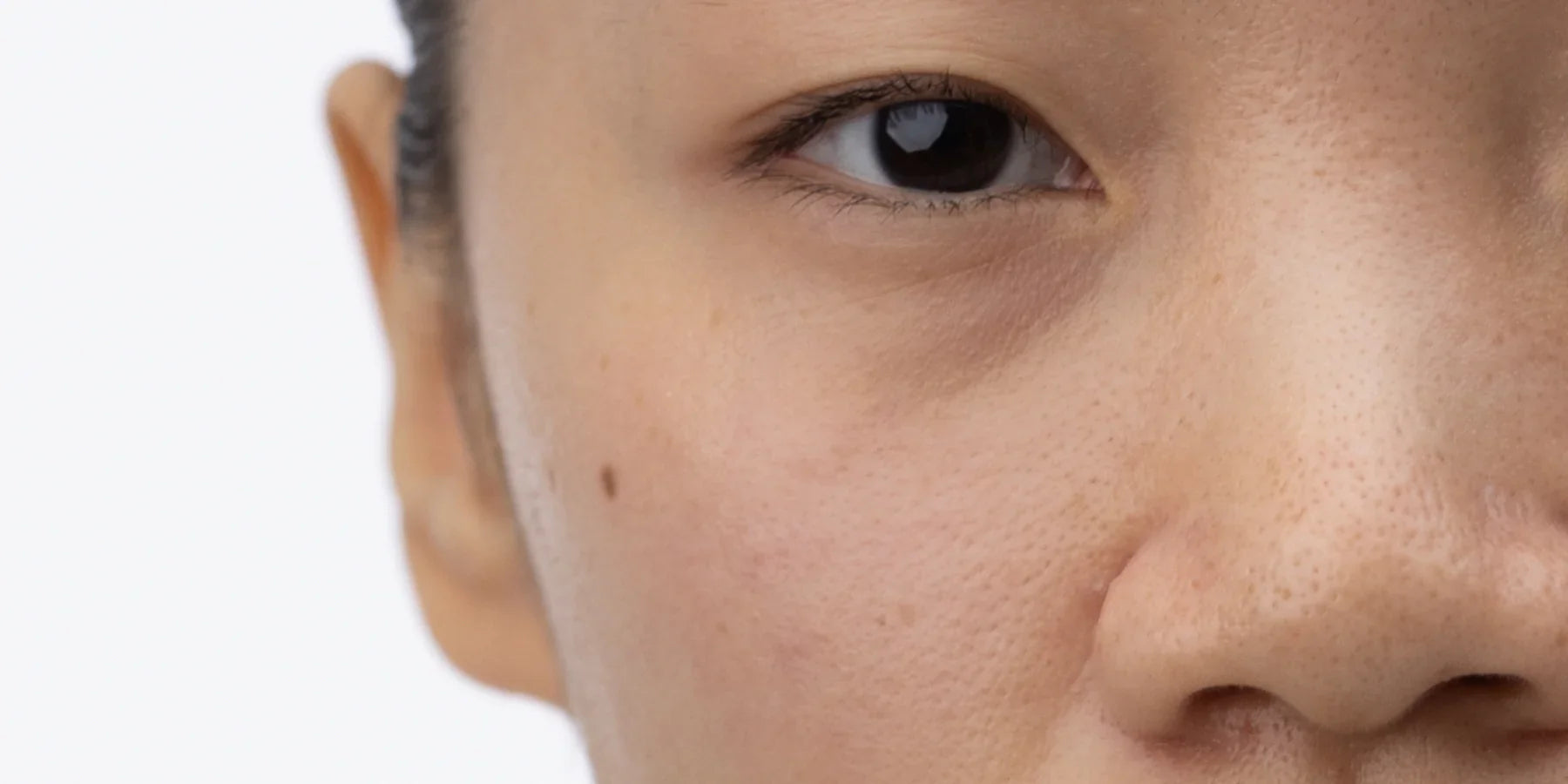
How to Treat Enlarged Pores: Clinically Tested Solutions
You can target enlarged pores by addressing the three primary causes: excess oil production, clogged pores, and collagen loss. The most effective approach combines gentle cleansing, chemical exfoliation with salicylic acid or AHAs, retinoids to support collagen, and non-comedogenic products that won't block pores further.
This guide is for anyone frustrated by visible pores on the nose, cheeks, or forehead and wants evidence-based, dermatology-grounded solutions. We'll walk you through why pores appear larger, which ingredients and treatments actually work, and how to build a care routine that delivers visible results.
-
The science behind what makes pores look larger
-
Step-by-step treatments from cleansing to resurfacing
-
Which facial formulas and procedures minimize pores most effectively
-
How to prevent clogged pores and breakouts that stretch skin texture
Why Do Pores Look Larger?
Pores are openings in your skin where sebaceous glands release oil to keep your skin hydrated. When these glands produce too much oil, pores fill with sebum, dead skin cells, and debris. The buildup stretches the pore opening, making it appear larger.
Sun damage breaks down collagen over time, which weakens the structural support around each pore. Without that support, pores lose their tight appearance and become more visible. Genetics also play a role. If your parents have large pores, you're more likely to have them too.
Acne and breakouts worsen pore appearance. When a pore becomes inflamed or infected, the surrounding tissue stretches. Even after the blemish heals, the pore may remain visibly enlarged. The American Academy of Dermatology confirms that clogged pores and oily skin are the two main factors that make pores look larger.
Step 1: Cleanse Without Stripping
Start with a gentle cleanser twice daily. Harsh scrubs and physical exfoliants irritate skin and can make pores appear larger, according to current AAD guidance. Look for a formula that removes oil and buildup without leaving your skin tight or red.
Salicylic acid cleansers work particularly well for pore care. This beta-hydroxy acid penetrates oil to dissolve debris inside pores before it has a chance to stretch them. Use it in the morning and evening, massaging it into damp skin for 30 to 60 seconds before rinsing.
Avoid rubbing, scrubbing, or using hot water. These habits damage your skin's protective barrier and trigger more oil production, which defeats the purpose. Pat your face dry with a clean towel and move immediately to the next step while your skin is still slightly damp.
Step 2: Incorporate a Resurfacing Solution
Resurfacing solutions use higher concentrations of exfoliating acids to remove the outermost layer of dead skin. This reveals a smoother texture underneath and helps minimize the appearance of large pores. At-home resurfacing formulas replicate the results of in-office physical exfoliants and chemical peels without the downtime.
Dr. BRANDT® developed our resurfacing solution to bring dermatological procedures home. Our formulas combine AHAs and skin-conditioning ingredients to exfoliate physically, chemically, and deeply while supporting your skin's barrier. You get professional-level results without scheduling an appointment or taking time off work.
Use a resurfacing treatment one to three times per week, depending on your skin's tolerance. Apply it to clean skin, massage it on for the recommended time, and rinse thoroughly. Your skin may look slightly pink immediately after treatment. This fades within an hour and reveals noticeably refined texture by the next morning.
Step 3: Apply a Pore-Refining Toner
Toner is used to condition the skin and remove any residue from cleansing/exfoliating steps. We recommend using skin conditioning ingredients: Calming, moisturizing, nourishing, or skin-balancing.
Apply your toner with a cotton pad or your fingertips, sweeping it across your entire face. Let it dry completely before moving to the next product. This step takes less than a minute but makes a measurable difference in texture.
Step 4: Use a Retinoid or Retinol Serum
Retinoids remain one of the most effective ingredients for pore appearance in 2026. They increase cell turnover, which prevents dead skin from accumulating inside and around the pores opening. More importantly, retinoids support collagen production, which tightens the skin around each pore and makes it look smaller.
Start with a low concentration if you're new to retinoids. Apply a pea-sized amount to your entire face three nights per week, gradually increasing to nightly use as your skin builds tolerance. You may experience mild dryness or flaking in the first few weeks. This is normal and temporary.
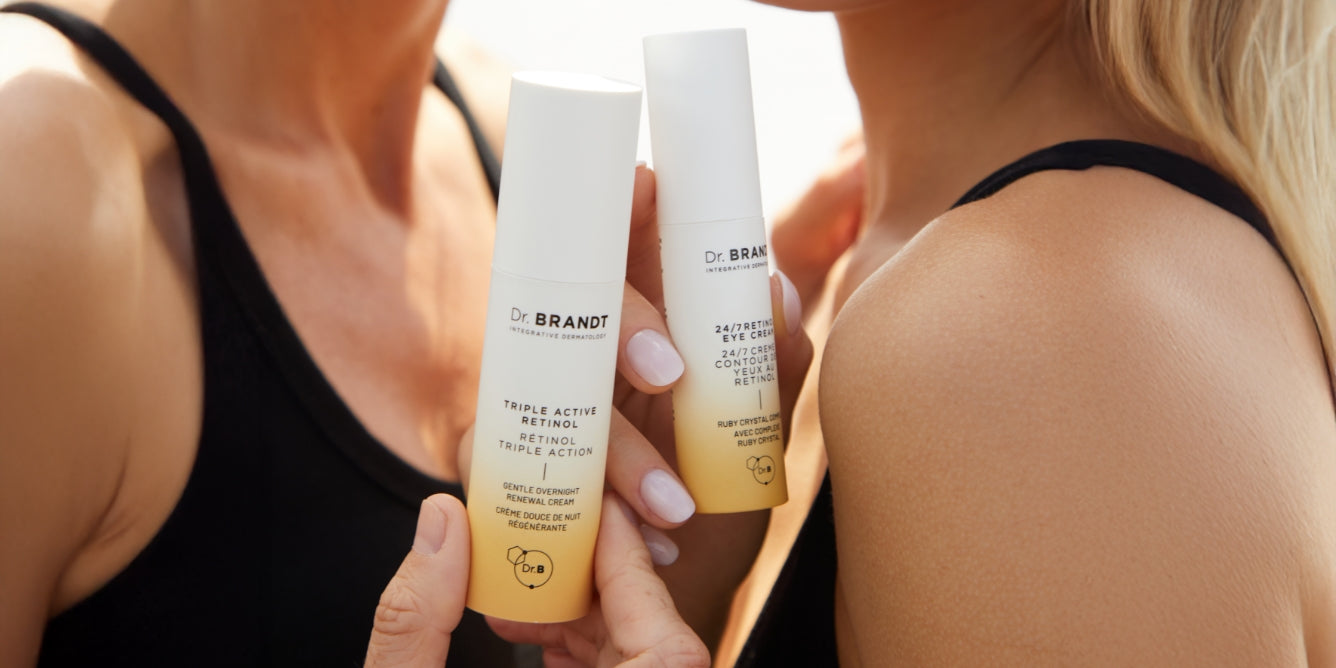
Retinol works best when applied to clean, dry skin. Wait until skin is dry after cleansing before applying your retinoid serum. Follow with a lightweight, non-comedogenic moisturizer to lock in hydration without clogging pores. Results typically appear after eight to twelve weeks of consistent use.
Step 5: Protect with SPF 30 or Higher Daily
Sun damage is one of the leading causes of visible pores. UV exposure breaks down collagen and elastin, the proteins that keep skin firm and pores tight. Without daily sun protection, even the best pore-minimizing routine will fail to deliver lasting results.
The AAD recommends broad-spectrum SPF 30 or higher every single day, regardless of weather or season. Choose a non-comedogenic sunscreen that won't clog pores. Mineral formulas with zinc oxide or titanium dioxide work well for oily or acne-prone skin.
Apply sunscreen as the final step in your morning routine, after your serum and moisturizer. Reapply every two hours if you're spending time outdoors. This single habit protects your skin from further collagen loss and prevents your pores from getting larger as you age.
What About In-Office Procedures?
Professional treatments deliver faster, more dramatic results than at-home care alone. Chemical peels, microneedling, and laser resurfacing are the most common procedures for minimizing pore appearance. All three work by stimulating collagen production and removing damaged surface skin.
Chemical peels use higher concentrations of acids than over-the-counter products. A dermatologist applies the solution to your face, where it exfoliates several layers of skin. Peels range from superficial to deep, with deeper treatments requiring more recovery time but producing more significant texture improvement.
Microneedling creates controlled micro-injuries in your skin, triggering your body's natural healing response. This increases collagen and elastin production, which tightens pores over time. Laser treatments work similarly, using focused light energy to resurface skin and stimulate collagen. Both procedures require multiple sessions for optimal results.
The 2026 trend in aesthetic dermatology leans toward collagen-stimulating treatments like RF microneedling and biostimulators. These approaches focus on improving overall skin quality rather than just addressing isolated concerns. The result is smoother texture, tighter pores, and a more natural-looking outcome.
Which Ingredients Minimize Pores Most Effectively?
Salicylic acid is the gold standard for pore care. This oil-soluble BHA penetrates sebum to dissolve clogs from the inside out. It also has anti-inflammatory properties that calm acne and prevent new breakouts. Look for concentrations between 0.5% and 2% in cleansers, toners, and serums.
Glycolic acid and lactic acid are AHAs that exfoliate the skin's surface. They remove dead cells that can clog pores and improve overall texture. Glycolic acid has the smallest molecular size, so it penetrates deepest. Lactic acid is gentler and works well for sensitive skin.
Retinol and prescription retinoids increase cell turnover and support collagen production. They're clinically tested for improving pore appearance, fine lines, and skin tone. Niacinamide is another effective ingredient. It regulates oil production, strengthens the skin barrier, and reduces inflammation that can make pores look larger.
How to Build a Pore-Minimizing Routine
Your morning routine should focus on protection. Cleanse with a gentle salicylic acid formula, apply a lightweight serum with niacinamide or antioxidants, moisturize with a non-comedogenic lotion, and finish with broad-spectrum SPF 30 or higher. This four-step sequence takes less than five minutes.
Your evening routine is where you do the heavier lifting. Double cleanse if you wear makeup or sunscreen. Follow with a retinoid serum to support collagen and increase cell turnover. Finish with a richer moisturizer to repair your skin barrier overnight.
Add a resurfacing treatment two to three times per week in place of your toner. Use an AHA/BHA mask once weekly to deep-clean pores. This combination addresses all three causes of enlarged pores: excess oil, clogged debris, and collagen loss. Results become visible within four to six weeks.
Frequently Asked Questions
Can you actually shrink pores permanently?
No, you can't change your pore size permanently. Pore size is determined by genetics. However, you can minimize their appearance by keeping them clear of oil and debris, supporting collagen production with retinoids, and protecting your skin from sun damage. Consistent care makes pores look smaller even though their actual diameter doesn't change.
Why do pores on my nose look so large?
The nose has a higher concentration of sebaceous glands than other areas of your face. More oil production means more opportunity for pores to become clogged and stretched. The skin on your nose is also thicker, which can make pores more visible. Focus your salicylic acid cleansing and weekly masks on this area for best results.
Do pore strips actually work?
Pore strips remove surface debris but don't address the underlying causes of clogged pores. They can also irritate skin and cause broken capillaries if used too aggressively. Chemical exfoliation with BHAs and AHAs is more effective and safer for long-term pore care.
How long does it take to see results?
Most people see noticeable improvement in pore appearance within four to six weeks of consistent care. Retinoids take eight to twelve weeks to show their full effect on collagen and texture. Professional treatments like chemical peels and microneedling deliver faster results, often within two to four weeks after the first session.
Can oily skin cause larger pores?
Yes. Excess oil production fills pores with sebum, which stretches the opening and makes it appear larger. Oily skin also tends to accumulate more dead cells and debris, which compounds the problem. Managing oil with salicylic acid, niacinamide, and non-comedogenic products is essential for minimizing pores on oily skin.
Take the Dermatologist Home
Enlarged pores respond to a consistent, clinically grounded routine that addresses oil production, clogs, and collagen loss. The most effective approach combines gentle cleansing, chemical exfoliation, retinoids, and daily sun protection. Professional resurfacing treatments accelerate results when you need them faster.
Dr. BRANDT® has spent 30 years developing dermaceutical formulas that replicate in-office procedures at home. Our resurfacing treatments, retinoid serums, and pore-refining cleansers are clinically tested to deliver visible results without the cost or downtime of professional appointments. Explore our complete collection of pore-minimizing formulas and bring dermatological expertise into your daily routine.


Leave a comment
This site is protected by hCaptcha and the hCaptcha Privacy Policy and Terms of Service apply.