
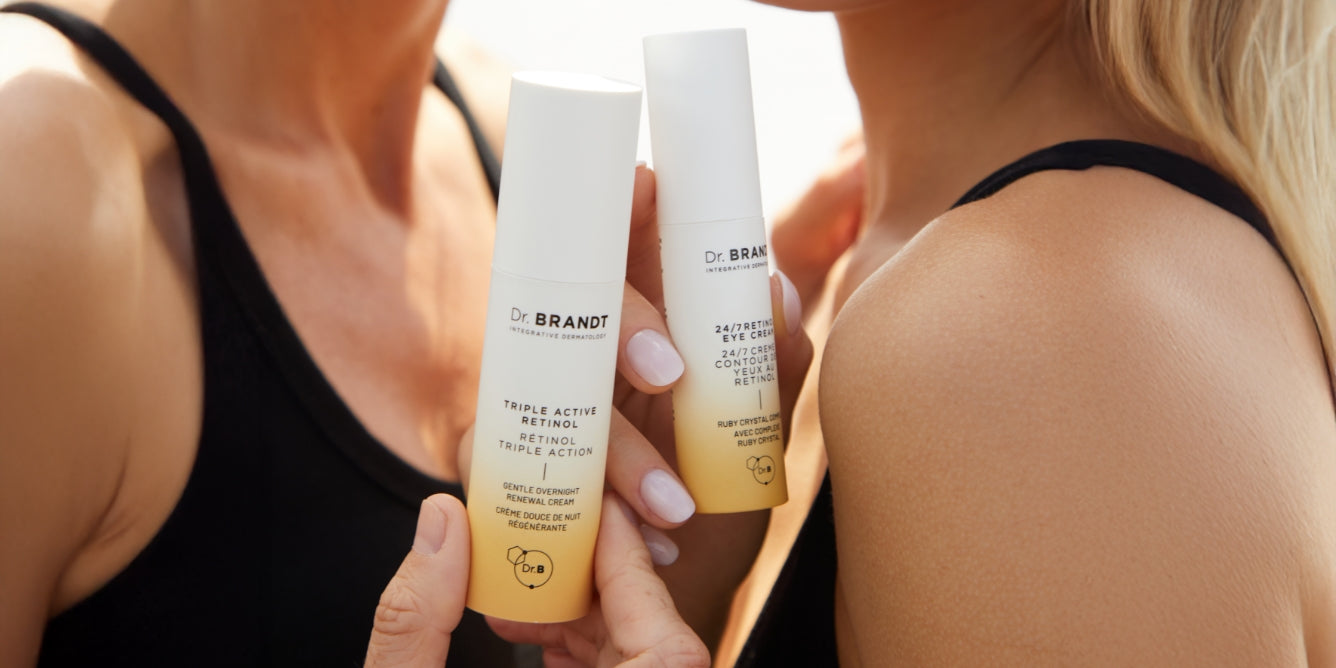
What Does Retinol Do for Skin? Dermatologist-Backed Guide
What Does Retinol Do for Skin?
Retinol accelerates cell turnover, stimulates collagen production, and improves multiple skin concerns, including fine lines, uneven tone, acne, and texture. It converts into retinoic acid in the skin, which triggers cellular renewal and strengthens the skin’s underlying structure.
This guide explains how retinol works, what it treats, and how to use it effectively.
How Retinol Works at the Cellular Level
Retinol is converted into retinoic acid, the active form your skin uses.
It works by:
-
Speeding up cell turnover
-
Shedding dead skin cells faster
-
Stimulating collagen and elastin production
-
Strengthening the skin structure
It also:
-
Regulates oil production
-
Prevents clogged pores
What Skin Concerns Does Retinol Treat?
Fine Lines and Wrinkles
-
Boosts collagen
-
Thickens skin over time
-
Reduces visible lines
Uneven Tone and Dark Spots
-
Speeds pigment turnover
-
Fades hyperpigmentation
-
Improves overall tone
Rough Texture and Pores
-
Smooths skin surface
-
Keeps pores clear
-
Refines appearance
Acne and Breakouts
-
Prevents clogged pores
-
Reduces inflammation
-
Controls oil
Sun Damage
-
Improves discoloration
-
Restores skin thickness
-
Reduces visible photoaging
Retinol vs Other Retinoids
-
Retinyl palmitate: weakest, gentlest
-
Retinol: balanced effectiveness + tolerability
-
Retinal (retinaldehyde): faster results, moderate strength
-
Tretinoin (prescription): strongest, most effective, more irritation
Retinol requires conversion → slower but gentler than prescription options.
What Strength Should You Use?
Beginner
-
0.1%–0.2%
-
Focus: tolerance building
Intermediate
-
0.2%–0.5%
-
Visible improvements in ~12 weeks
Advanced
-
0.5%–1%
-
For experienced users
How to Use Retinol Effectively
Start Slowly
-
2 nights per week → increase gradually
Apply Correctly
-
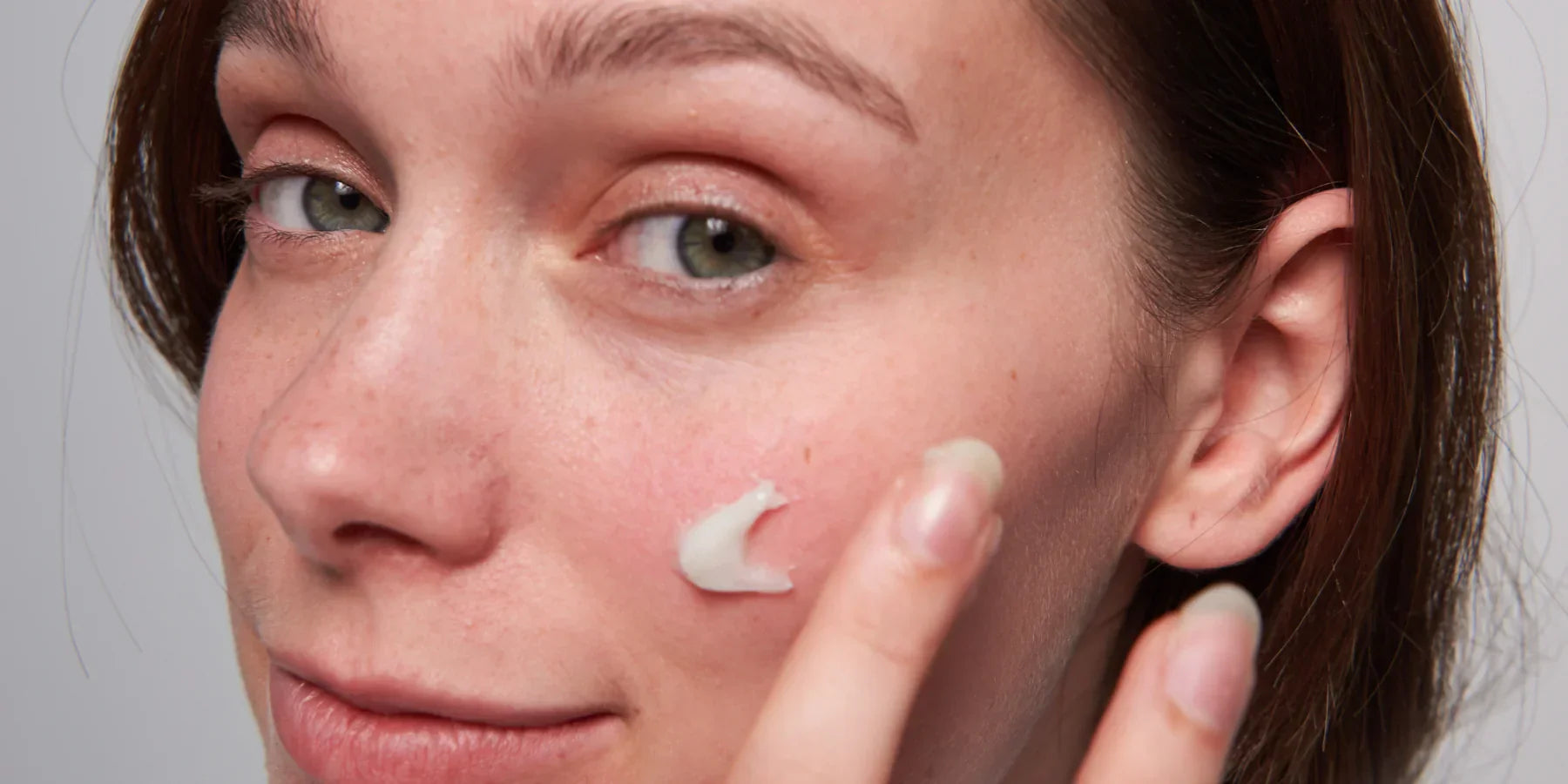
Clean, dry skin
-
Pea-sized amount
-
Avoid the eye/lip area
Support Your Barrier
-
Follow with moisturizer
-
Use ceramides, peptides, and HA
Always Use Sunscreen
-
SPF 30+ daily
-
Retinol increases sun sensitivity
Results Timeline
Weeks 1–4
-
Mild dryness or peeling
-
Smoother surface
Weeks 4–12
-
Improved tone and texture
-
Fading dark spots
Months 3–6
-
Increased collagen
-
Reduced fine lines
Long-term
-
Maintained skin health and slower aging
Common Side Effects
-
Dryness
-
Redness
-
Peeling
-
Temporary breakouts (“purging”)
These usually improve as skin adapts.
FAQs
Downsides of retinol?
Irritation and sun sensitivity.
Retinol vs hyaluronic acid?
-
Retinol = treatment
-
Hyaluronic acid = hydration
Best used together.
How long for results?
4–12 weeks for visible improvement.
Can I use it daily?
Yes, after your skin builds tolerance.
Conclusion
Retinol is one of the most effective, clinically proven ingredients for improving skin texture, tone, and signs of aging. By increasing cell turnover and boosting collagen, it delivers both short-term improvements and long-term skin health benefits.
The key to success is gradual introduction, consistent use, and daily sun protection.

Leave a comment
This site is protected by hCaptcha and the hCaptcha Privacy Policy and Terms of Service apply.