

Night Cream With Hyaluronic Acid: Clinical Hydration Guide
What Is a Night Cream With Hyaluronic Acid?
A night cream with hyaluronic acid is a facial moisturizing formula designed to bind moisture to your skin while you sleep. Hyaluronic acid holds up to 1,000 times its weight in water, which helps plump fine lines and support your skin barrier during the overnight repair cycle.
This guide is for you if you're tired of waking up to tight, dehydrated skin or if you've been burned by products that promise hydration but deliver stickiness instead. You're about to learn what separates effective formulas from filler-heavy jars.
We'll cover:
-
How hyaluronic acid works in nighttime formulas
-
What ingredients amplify hydration overnight
-
How to choose a night cream for your skin type
-
When to layer hyaluronic acid with other actives
-
What dermatology-backed formulas deliver measurable results
How Does Hyaluronic Acid Work in a Hydrating Night Cream?
Hyaluronic acid is a humectant. It pulls water from the environment and from deeper layers of your skin into the outermost layer, the stratum corneum. When you apply a hyaluronic acid face cream at night, you're giving your skin moisture support during its most active repair window.
Your skin barrier loses more water at night than during the day. A hydrating night formula helps offset transepidermal water loss by creating a moisture reservoir in the epidermis. This is why many people notice softer, more supple skin in the morning after consistent use.
Multi-Weight Hyaluronic Acid Formulas
Not all hyaluronic acid molecules are the same size. Low-molecular-weight hyaluronic acid penetrates deeper into the skin, while high-molecular-weight hyaluronic acid sits on the surface to lock in moisture. The most effective products use a combination of both.
Dr. BRANDT® formulas are engineered with multi-weight hyaluronic acid systems to deliver layered hydration. This approach mirrors the clinical techniques dermatologists use in the office to address skin moisture at multiple depths.
What Ingredients Should You Look for in a Skin Renewing Night Cream?
Hyaluronic acid works best when paired with ingredients that support barrier function and cellular repair. Here's what matters.
Ceramides
Ceramides are lipids that make up 50% of your skin barrier. A night cream that combines hyaluronic acid with ceramides helps restore barrier integrity while hydrating. This combination is particularly effective for sensitive skin that reacts to standalone actives.
Peptides
Peptides signal your skin to produce collagen and elastin. When formulated alongside hyaluronic acid, they support both immediate plumping and long-term skin-renewing effects. Look for products that list specific peptides, such as palmitoyl tripeptide-1 or acetyl hexapeptide-8.
Niacinamide
Niacinamide (vitamin B3) reduces water loss and strengthens the skin barrier. A night cream with niacinamide and hyaluronic acid addresses both hydration and barrier repair in one step. This pairing is especially useful for combination skin that needs moisture without heaviness.
Antioxidants
Nighttime is when your skin repairs oxidative damage from the day. Antioxidants like vitamin E, green tea extract, or resveratrol help neutralize free radicals while hyaluronic acid keeps cells hydrated enough to function optimally.
How Do You Choose the Right Night Cream for Your Skin Type?
The most important element in selecting a night cream is matching texture and active concentration to your skin's needs. Here's how to decide.
Dry Skin
If your skin feels tight by midday, you need a richer cream with both humectants and occlusives. Look for formulas that list hyaluronic acid in the first five ingredients and include shea butter, squalane, or plant oils. These ingredients seal in the moisture that hyaluronic acid attracts.
Oily or Combination Skin
You still need hydration, but heavy creams can trigger breakouts. Choose a lightweight gel-cream or lotion formulated with hyaluronic acid and niacinamide. These textures deliver moisture without clogging pores or leaving residue on your pillowcase.
Sensitive Skin
Fragrance-free formulas with minimal ingredient lists reduce the risk of irritation. A night cream designed for sensitive skin should pair hyaluronic acid with soothing agents like allantoin, bisabolol, or colloidal oatmeal. Avoid products with essential oils or synthetic fragrance.
Mature or Dry Skin With Fine Lines
If you're addressing fine lines and loss of firmness, look for a skin-renewing night cream that combines hyaluronic acid with peptides and retinol or a retinol alternative like bakuchiol. This combination hydrates while supporting collagen production.
Dr. BRANDT® offers dermaceutical formulas engineered to replicate in-office procedures at home. Our night care products are clinically tested to deliver visible hydration and barrier support without the guesswork.
Can You Layer Hyaluronic Acid With Other Nighttime Actives?
Yes, and in many cases you should. Hyaluronic acid is a support ingredient, not a standalone treatment. It works best when layered with actives that address your specific concerns.
With Retinol
Retinol increases cell turnover, which can dry out your skin. Applying a hyaluronic acid-based night cream after retinol helps offset dryness and irritation. Wait 10 to 15 minutes after applying retinol, then layer your hydrating night formula on top.
With AHAs or BHAs
Chemical exfoliants like glycolic acid or salicylic acid can compromise your skin barrier if overused. Hyaluronic acid helps maintain hydration while you exfoliate. Apply your acid first, let it absorb, then follow with your night cream.
With a Night Mask
If you use a weekly night mask, apply your hyaluronic acid serum or cream first. The mask will seal in the moisture and amplify the plumping effect. This layering technique is especially effective before travel or after sun exposure.
The key is to apply products from thinnest to thickest consistency. Serums go first, then creams, then occlusives if needed. This order ensures each layer penetrates effectively.
What Are the Latest Trends in Night Creams With Hyaluronic Acid in 2026?
The skincare landscape in 2026 has shifted toward barrier-first formulations and multi-active sleep repair systems. Dermatology-focused brands are moving away from single-ingredient hero products and toward formulas that support your skin's natural overnight processes.
Barrier-First Formulations
Recent coverage emphasizes ceramide- and lipid-rich formulas that work with your skin's healing cycle rather than overriding it. Hyaluronic acid is increasingly used as a supporting ingredient in these barrier-repair systems, rather than as the sole active.
Multi-Functional Sleep Repair
2026 night products combine hyaluronic acid with peptides, antioxidants, and timed-release technologies. These formulas are designed to align with circadian rhythms and deliver actives when your skin is most receptive. This approach reflects a broader trend toward skin-body-mind integration in dermatology.
Lightweight Textures
Milky toners and gel-creams with hyaluronic acid are replacing heavier traditional night creams for many consumers. These textures deliver hydration without the occlusive feel that can feel uncomfortable during sleep.
Expanded Body Care
Hyaluronic acid is appearing in more body moisturizers and washes, signaling broader demand for hydration-led formulations across all categories. This trend reflects growing consumer literacy about ingredient efficacy beyond facial care.
Dr. BRANDT® has been formulating with these principles for over 30 years. Our integrative dermatology approach combines clinical actives with barrier-support ingredients to deliver results that respect your skin's natural intelligence.
How Should You Apply a Hyaluronic Acid Night Cream?
Application technique matters as much as formula quality. Here's how to maximize absorption and efficacy.
Start With Damp Skin
Hyaluronic acid needs water to work. Apply your night cream within 60 seconds of washing your face, while your skin is still slightly damp. This gives the hyaluronic acid moisture to bind to.
Use the Right Amount
A pea-sized amount is enough for your entire face. More product doesn't mean more hydration. It just means more waste and potential pilling under other products.
Press, Don't Rub
Gently press the cream into your skin using upward motions. Rubbing creates friction that can irritate your skin and reduce product penetration. Let the formula absorb for 30 to 60 seconds before applying any additional layers.
Don't Forget Your Neck
The skin on your neck is thinner and loses moisture faster than the skin on your face. Extend your night cream down to your collarbone using the same pressing technique.
Layer Strategically
If you're using multiple products, apply them from thinnest to thickest. Serum first, then face cream, then any targeted treatments. This order ensures each layer penetrates without creating a barrier.
What Results Can You Expect From a Clinically Tested Night Cream?
Realistic expectations prevent disappointment and help you assess whether a product is working. Here's what clinically tested formulas should deliver.
Immediate Effects
You should notice softer, more supple skin the morning after your first use. This is the hyaluronic acid binding water to your skin's surface. If your skin feels sticky or greasy, the formula is too heavy for your skin type.
Two to Four Weeks
Fine lines caused by dehydration should appear less pronounced. Your skin texture should feel smoother, and any flakiness should diminish. This is when ceramides and barrier-repair ingredients begin to show measurable effects.
Six to Eight Weeks
If your night cream includes peptides or retinol, you should see improvements in skin firmness and tone. This is the timeframe for cellular turnover and collagen production to become visible.
Twelve Weeks and Beyond
Long-term use of a well-formulated night cream supports skin longevity by maintaining barrier integrity and hydration balance. This is when you'll notice cumulative benefits, such as improved resilience and fewer episodes of reactivity.
Dr. BRANDT® formulas are clinically tested to deliver these results within documented timeframes. We don't make claims we can't support with data.
Why Do Some Dermatologists Have Concerns About Hyaluronic Acid?
Not all dermatologists are skeptical of hyaluronic acid, but some caution against its misuse. The concerns are about the application context, not the ingredient itself.
Dry Climate Issues
In very dry environments, hyaluronic acid can pull moisture from deeper skin layers if there's no external humidity to draw from. This can leave your skin drier than before. The solution is to apply hyaluronic acid to damp skin and follow with an occlusive layer to seal in moisture.
Low-Quality Formulations
Some products use hyaluronic acid as a marketing term without including effective concentrations or supporting ingredients. These formulas feel hydrating on application, but don't deliver lasting results. This is why ingredient lists and clinical testing matter.
Over-reliance on One Ingredient
Hyaluronic acid is a hydrator, not a treatment for concerns like hyperpigmentation, acne, or loss of firmness. Dermatologists caution against expecting it to address issues it wasn't designed to fix. Effective skincare requires a complete routine, not a single hero ingredient.
The key is to use hyaluronic acid as part of a barrier-first approach, not as a standalone solution. This is the foundation of integrative dermatology and the principle behind Dr. BRANDT® formulations.
How Do Dr. BRANDT® Night Formulas Compare to Other Products?
Dr. BRANDT® night care products are engineered with 30+ years of integrative dermatology expertise. Every formula is designed to replicate in-office procedures at home, not to follow trends.
Multi-Active Systems
Our night formulas combine hyaluronic acid with peptides, ceramides, and antioxidants in clinically tested concentrations. This approach addresses hydration, barrier repair, and cellular renewal in one step.
Vegan and Cruelty-Free
Every Dr. BRANDT® product is cruelty-free and formulated to work across all skin tones, skin types, and genders. We don't compromise ethics for efficacy.
Clinical Testing
We test every formula for safety and efficacy before launch. Our claims are backed by data, not marketing language. You'll find specific results and timeframes on our product pages, not vague promises.
Expert Panel Development
Our formulas are developed in partnership with Miami's top dermatology and wellbeing specialists. This ensures every product reflects current clinical best practices and addresses real patient concerns.
When you choose Dr. BRANDT®, you're taking the dermatologist home. Explore our clinically tested night care formulas and see the science behind barrier-first hydration.
Frequently Asked Questions
Is hyaluronic acid good night cream?
Hyaluronic acid is an effective ingredient in night creams because it binds moisture to your skin during the overnight repair cycle. It works best when combined with ceramides, peptides, or other barrier-support ingredients rather than as a standalone active.
Is it good to put hyaluronic acid on your face at night?
Yes, applying hyaluronic acid at night helps offset transepidermal water loss while you sleep. For best results, apply it to damp skin and follow with a cream containing occlusives to seal in moisture.
Why do some dermatologists not like hyaluronic acid?
Some dermatologists caution against using hyaluronic acid in very dry climates without an occlusive layer, as it can pull moisture from deeper skin layers if there's no external humidity. The ingredient itself is effective when used correctly as part of a complete routine.
Your Next Step
A night cream with hyaluronic acid is only as effective as the formula behind it. The difference between waking up to plump, hydrated skin and waking up disappointed comes down to ingredient quality, supporting actives, and clinical testing.
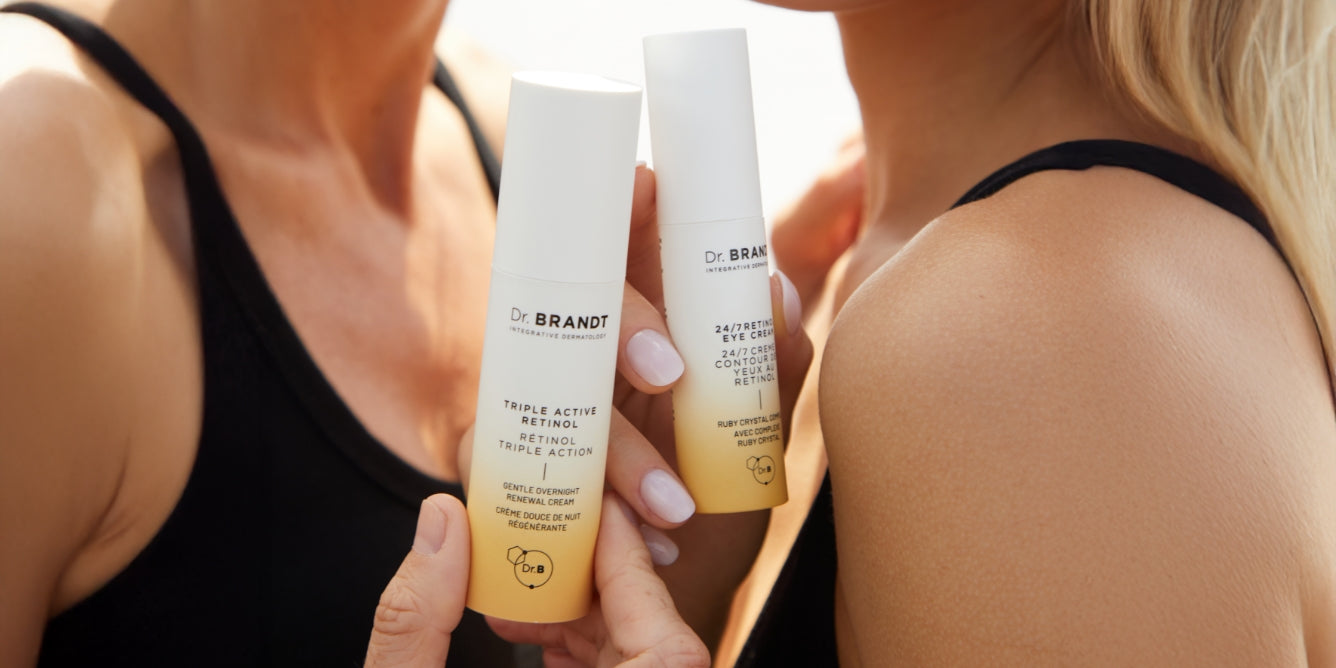
Dr. BRANDT® has spent 30+ years developing dermaceutical formulas that deliver measurable results. Our night care products combine multi-weight hyaluronic acid with ceramides, peptides, and antioxidants to support your skin's natural repair cycle. Every formula is cruelty-free and clinically tested across all skin types. Explore our night care collection and see the science behind barrier-first hydration.

Leave a comment
This site is protected by hCaptcha and the hCaptcha Privacy Policy and Terms of Service apply.